Call now: 0407 696 866
Global buyers are searching for practical solar energy solutions, not attractive promises alone. A factory roof in Kenya, a villa in Spain, and a remote clinic in Indonesia require different designs. Sunlight, grid reliability, land availability, local tariffs, and maintenance access all shape the right decision.
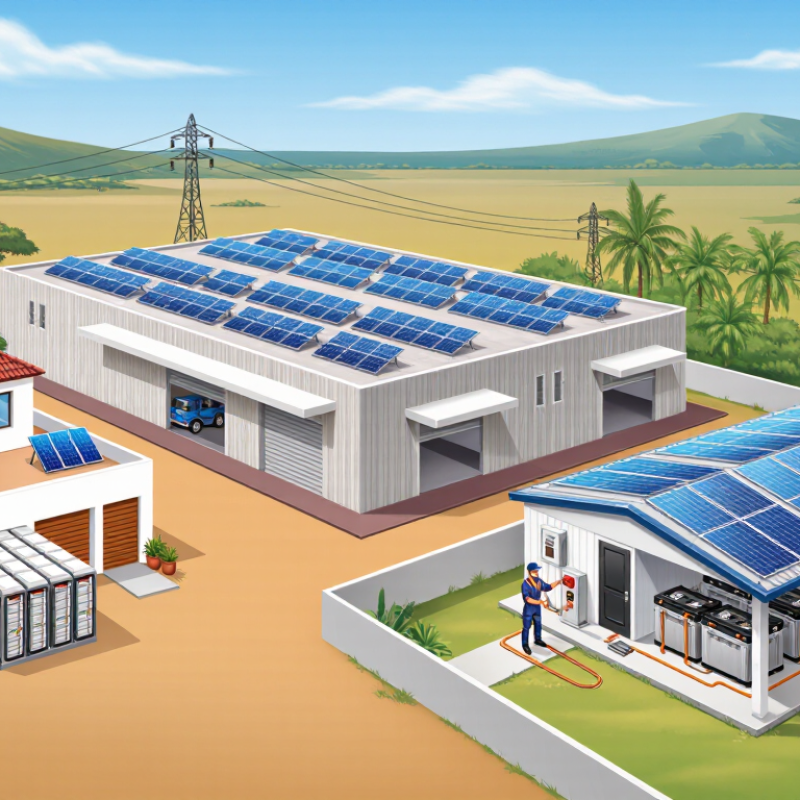
The strongest options often combine photovoltaic panels, battery storage, smart inverters, and efficient heat pumps. Commercial buyers may prefer rooftop systems with energy monitoring and backup power. Remote communities may need modular microgrids, durable batteries, and simple controls. According to Fatih Birol, Executive Director of the International Energy Agency, “Solar PV is now the cheapest source of electricity in history.” His observation explains solar power’s momentum, but price alone cannot determine value.
Details matter.
Buyers should compare panel warranties, degradation rates, inverter replacement costs, installation records, and after-sales support. A low quotation can become expensive when spare parts arrive slowly or technicians lack training. Independent performance data and transparent financial assumptions improve trust. Yet no solution is perfect. Battery production, recycling systems, weather variability, and uneven policy support still require careful evaluation.
This guide examines leading solar energy solutions for global buyers through a practical lens. It considers residential, commercial, industrial, and off-grid applications. The aim is not to promote one technology blindly. It is to help decision-makers match equipment with real operating conditions, measurable energy goals, and responsible long-term planning. Some forecasts may change. Good procurement leaves room for that.
Solar energy solutions convert sunlight into usable electricity or heat. For global buyers, the right choice depends on climate, grid access, land, and operating goals. The main types include rooftop photovoltaic systems, ground-mounted solar farms, floating solar, solar thermal systems, and hybrid systems with battery storage. Photovoltaic modules produce direct current, while inverters convert it into alternating current for buildings or grids. Batteries store surplus energy for evening demand or short outages.
The core components are modules, mounting structures, inverters, cables, monitoring equipment, protection devices, and, when needed, batteries. A practical project also requires shade analysis, structural checks, grid studies, and a realistic maintenance plan. The International Energy Agency reported that solar power accounted for about three-quarters of global renewable capacity additions in 2023. IRENA’s Renewable Capacity Statistics 2025 recorded global solar capacity exceeding 1.8 terawatts by the end of 2024. These figures show strong market momentum, but equipment quality remains uneven. A low price can hide weaker warranties, difficult replacement parts, or poor temperature performance.
Tips: Compare lifetime energy yield, not only the purchase price. Request independent test certificates and clear degradation data. Check local service capacity before signing. In hot regions, ventilation and heat-resistant components matter. In dusty areas, cleaning access affects output. Buyers should also model cloudy weeks, because optimistic sunlight assumptions can distort payback estimates. A technically impressive system may still underperform when maintenance is ignored. That is an uncomfortable lesson.
For global buyers, crystalline-silicon modules generally provide the highest commercial efficiency, while thin-film technologies can offer advantages in hot climates, low-light conditions, lightweight installations, and building-integrated projects. Actual results vary by module design, climate, installation angle, temperature, and system components.
Indicative efficiency ranges compiled from publicly available photovoltaic technology and commercial module performance guidance; values are representative rather than product-specific.
Solar technology works differently because sunlight, grids, and buildings vary by region. On urban rooftops, photovoltaic panels convert daylight into direct current. An inverter changes it into usable alternating current for appliances. A household may export extra electricity or store it in a battery. Simple in theory. Roof shade, dust, and heat reduce output in practice. Field inspections matter more than brochure estimates.
In remote villages, stand-alone systems combine panels, batteries, charge controllers, and efficient loads. They can power lights, water pumps, clinics, and refrigeration. Battery sizing must follow real evening demand, not hopeful guesses. In humid coastal areas, corrosion protection and sealed electrical enclosures deserve careful attention. Cold climates need different battery controls and stronger mounting. Installers should check local wiring rules, emergency access, and safe disposal requirements. These details build trust.
Large solar farms use tracking structures, monitoring sensors, and grid-scale storage. Tracking can increase daily generation, but moving parts require maintenance and reliable spare components. Agricultural projects may raise panels above crops, balancing shade with food production. Solar can also support factories when paired with demand management. Yet every application has trade-offs. Batteries need minerals, land needs careful planning, and forecasts can be wrong. In field assessments, conservative production estimates often serve buyers better. Technology improves, but site data still decides whether a system performs well.
| Solar Solution | How It Works | Typical Application | Typical Module or System Efficiency | Energy Storage Compatibility | Best-Fit Locations and Conditions | Main Advantages | Key Planning Considerations |
|---|---|---|---|---|---|---|---|
| Rooftop Crystalline-Silicon PV | Photovoltaic cells convert sunlight directly into direct current electricity. An inverter converts it into alternating current for household, commercial, or industrial use. | Homes, offices, schools, warehouses, retail buildings, and factories. | Approximately 18%–23% module efficiency; actual system output is lower because of temperature, shading, wiring, inverter, and soiling losses. | Highly compatible with lithium-ion batteries and other stationary storage systems. | Most climates with suitable roof structure and adequate solar exposure; useful in both high-income and developing markets. | Uses existing roof area, reduces daytime electricity purchases, and can be installed in modular stages. | Roof strength, orientation, shading, fire access, local grid rules, and future roof maintenance must be assessed. |
| Utility-Scale Ground-Mounted PV | Large arrays of PV modules generate electricity that is collected through inverters and transferred to a medium- or high-voltage grid connection. | National grids, regional power projects, industrial electricity supply, and utility procurement programs. | Approximately 18%–23% module efficiency; project performance depends strongly on solar resource, tracking, availability, and grid losses. | Compatible with four-hour or longer battery systems, pumped storage, and other grid-balancing technologies. | Areas with strong solar irradiation, available land, suitable transmission capacity, and clear permitting procedures. | Low operating emissions, large generation capacity, and relatively simple energy conversion. | Land use, transmission upgrades, biodiversity protection, curtailment risk, financing, and permitting are major factors. |
| Single-Axis Tracking PV | PV rows rotate during the day to follow the sun along one axis, increasing the sunlight received by the modules. | Large solar farms in regions with high direct and diffuse solar resources. | Module efficiency is generally 18%–23%; annual energy yield is often higher than fixed-tilt systems in suitable locations. | Compatible with batteries and grid-connected dispatch systems. | Open, relatively flat sites with strong solar availability and sufficient spacing for row movement. | Improves daily energy capture and can produce a broader generation profile than fixed-tilt arrays. | Higher mechanical complexity, maintenance needs, wind exposure, row-to-row shading, and greater site preparation requirements. |
| Agrivoltaic Solar | Elevated or specially spaced PV structures share land with crops, grazing, or pollinator habitat while managing light and microclimate conditions. | Farms, orchards, vineyards, pasture, and dual-use rural development projects. | Approximately 18%–23% module efficiency; agricultural productivity varies by crop, climate, array height, and shading level. | Compatible with batteries, irrigation controls, and farm energy-management systems. | Regions where agricultural land is valuable and crops or livestock can tolerate partial shading. | Combines electricity generation with agricultural use and may reduce heat or water stress for selected crops. | Crop-specific design, equipment access, structural clearance, water management, land-use rules, and farmer acceptance are essential. |
| Floating PV | PV modules are mounted on buoyant structures installed on calm water bodies such as reservoirs, quarry lakes, or irrigation ponds. | Water reservoirs, hydropower facilities, industrial ponds, and water-treatment sites. | Approximately 18%–23% module efficiency; cooler operating conditions may improve performance, depending on design and climate. | Compatible with batteries and existing hydropower generation in hybrid projects. | Large, relatively sheltered water surfaces with suitable anchoring conditions and grid access. | Limits competition for land and may reduce water evaporation in some reservoir conditions. | Anchoring, wave action, water-level changes, corrosion, ecological impacts, maintenance access, and water-use regulation require detailed review. |
| Building-Integrated PV | PV materials are incorporated into roofs, façades, glazing, canopies, or other building elements so that they provide both enclosure and electricity generation. | New commercial buildings, transport facilities, public buildings, façades, skylights, and architectural projects. | Approximately 10%–22% electrical conversion efficiency, depending on the PV material, transparency, color, and architectural design. | Compatible with batteries, building-management systems, and electric-vehicle charging. | Dense urban areas where conventional roof or ground space is limited and design integration is prioritized. | Provides on-site generation while replacing or supplementing conventional building materials. | Higher design coordination, specialized installation, waterproofing, fire safety, access, and replacement planning may be required. |
| Solar Water Heating | Solar thermal collectors absorb sunlight and transfer heat to water or another fluid for domestic or commercial hot-water use. | Homes, hotels, hospitals, apartment buildings, laundries, and industrial low-temperature heat processes. | Typical annual solar fraction: approximately 40%–70% for well-designed domestic hot-water systems, depending on climate and demand. | Thermal storage tanks are normally used; electrical batteries are not required for the primary heating function. | Locations with good solar exposure and regular hot-water demand, including many warm and temperate regions. | Can displace electricity or fuel used for water heating and often achieves high useful-energy collection. | Freeze protection, overheating control, water quality, backup heating, roof loading, and maintenance of pumps and controls are important. |
| Concentrated Solar Power with Thermal Storage | Mirrors concentrate direct sunlight to heat a working fluid. The heat produces steam or drives a thermal engine, while hot thermal storage can extend generation after sunset. | Large-scale dispatchable electricity generation and industrial heat applications. | Approximately 15%–25% net solar-to-electric efficiency for many commercial-scale configurations, depending on technology and operating conditions. | Uses integrated thermal energy storage, commonly allowing several hours of electricity production after peak sunlight. | High-direct-normal-irradiance deserts and other locations with clear skies and large, relatively flat sites. | Can provide dispatchable renewable electricity and high-temperature heat without relying solely on electrochemical batteries. | Requires strong direct sunlight, substantial capital investment, water or dry-cooling decisions, skilled operation, and large project areas. |
| Off-Grid Solar-Plus-Storage | PV supplies electricity during daylight, batteries store surplus energy, and an inverter or controller manages loads and backup generation. | Remote homes, clinics, schools, telecommunications sites, farms, islands, and emergency power systems. | Approximately 18%–23% module efficiency; system autonomy depends on array size, battery capacity, and load profile. | Battery storage is central to the system; backup generators may be added for long cloudy periods or critical loads. | Remote areas with limited or unreliable grid access and sufficient solar resource. | Improves energy access, reduces fuel logistics, and can support essential services with modular capacity. | Battery replacement, theft protection, seasonal solar variation, load management, recycling, and local technical support must be planned. |
| Solar-Powered Irrigation | PV electricity powers surface or submersible pumps that move water for irrigation, livestock, or community water supply. | Agriculture, livestock watering, rural water systems, and drought-resilience projects. | PV module efficiency is typically 18%–23%; overall water output depends on pump efficiency, lift height, pipe losses, and solar availability. | Water tanks often provide lower-cost storage than batteries; batteries may be added when pumping must continue at night. | Sunny agricultural regions with suitable groundwater or surface-water resources and reliable pump access. | Reduces fuel consumption and can align pumping with daytime solar production. | Water-resource regulation, groundwater sustainability, pump sizing, dry-season demand, filtration, and theft protection are critical. |
| Solar-Powered Desalination | Solar electricity powers reverse-osmosis equipment, while solar thermal systems can supply heat for thermal desalination processes. | Coastal communities, islands, water-stressed regions, and industrial water production. | PV conversion is approximately 18%–23%; reverse-osmosis electricity use commonly falls around 3–6 kWh per cubic metre for seawater systems, depending on plant design. | Compatible with batteries, water storage tanks, and flexible operation during high-solar periods. | Coastal locations with strong solar resources, seawater access, and appropriate brine-management options. | Can reduce dependence on fossil-fuel electricity for freshwater production. | Intake design, pretreatment, membrane replacement, corrosion, marine impacts, and responsible brine discharge require careful planning. |
Comparing solar solutions across markets requires more than checking panel efficiency or headline price. Solar output depends on local sunlight, temperature, dust, rainfall, and roof conditions. A system performing well in a dry inland region may lose value in a humid coastal market. Field assessments should include hourly solar data, shading surveys, and seasonal weather records.
Grid rules also shape the right solution. Buyers should verify voltage requirements, connection procedures, export limits, and approved safety certifications. Battery systems need separate checks for usable capacity, temperature control, replacement access, and fire protection. These details can change the total project cost significantly. A low purchase price may hide expensive installation work.
Financing and long-term support deserve equal attention. Compare warranties, spare-part availability, installer training, response times, and monitoring tools. Local technicians can resolve faults faster than distant support teams. However, service claims should be tested against documented records, not promises. A neat spreadsheet can mislead. Exchange rates, import duties, insurance, and policy changes may alter the result within months. Buyers should model several scenarios and leave room for uncertainty. Even experienced planners sometimes overestimate energy savings when maintenance conditions are ideal. Real rooftops are rarely perfect.
Solar projects now require more than panels and inverters. Installation quality determines safety, output, and long-term operating costs. The IEA reported about 510 gigawatts of renewable capacity additions in 2023, with solar providing roughly three-quarters. This rapid growth increases demand for qualified installers, accurate site surveys, and region-specific engineering.
Storage is becoming central to reliable solar supply. The IEA’s Batteries and Secure Energy Transitions report states that global battery storage capacity must expand substantially before 2030 under climate-aligned scenarios. Buyers should compare usable capacity, cycle life, temperature performance, and fire protection. A battery sized only for evening demand may struggle during several cloudy days. Oversizing can also waste capital. That trade-off deserves closer review.
Maintenance plans should include thermal inspections, cleaning schedules, firmware checks, and performance testing. Small output losses can remain hidden without monthly monitoring. Grid integration adds another layer. Protection settings, power-quality controls, forecasting, and local interconnection rules must be verified before commissioning. IRENA recorded global solar capacity above 1.4 terawatts at the end of 2023, showing the scale of this transition. Yet grid flexibility has not expanded evenly. In some regions, connection delays and weak distribution networks remain serious obstacles. A technically sound project can still underperform when planning ignores local grid conditions.
Global buyers should compare solar solutions by lifetime cost, not panel price alone. Rooftop systems often reduce electricity bills where sunlight and tariffs are favorable. Utility-scale projects can deliver cheaper power, but they require land, transmission access, and longer approvals. Batteries add resilience during outages, yet they increase upfront spending and replacement planning. A realistic budget includes installation, insurance, maintenance, financing, recycling, and currency risks.
Regulations differ sharply between countries and even between cities. Buyers should verify permits, grid-connection rules, import duties, construction standards, and worker-safety requirements before signing contracts. Net-metering policies may change, affecting expected returns. Local engineering reviews matter. A technically strong system can still fail financially if the grid cannot accept its output. Clear warranties and measurable performance guarantees also reduce disputes, although contract language is often overlooked.
Sustainability requires more than producing clean electricity. Responsible buyers should examine manufacturing emissions, water use, land disturbance, supply-chain traceability, and end-of-life recycling. Agrivoltaic projects may share land with crops, but maintenance can become more complicated. Future markets will likely favor solar paired with storage, flexible demand, and digital forecasting. Falling equipment costs may continue, but interest rates and mineral prices remain uncertain. That uncertainty deserves honest modeling. Some projections still look too optimistic. Procurement teams should test weak-sun conditions, cloudy seasons, battery degradation, and policy changes before approving a global investment.