Why Choose Solar for Your Home Energy Savings and Benefits?
Choosing solar for your home is more than a trend. It's a decision that impacts your finances and the environment. Solar energy harnesses the power of the sun, providing clean electricity while reducing energy bills. As energy prices continue to rise, investing in solar opens a path to long-term savings.
Many homeowners overlook solar advantages. It’s not just about lower bills; solar panels can increase property value. It’s essential to weigh the upfront costs against the lifetime savings. The initial investment may seem daunting, but many incentives exist, making it more manageable.
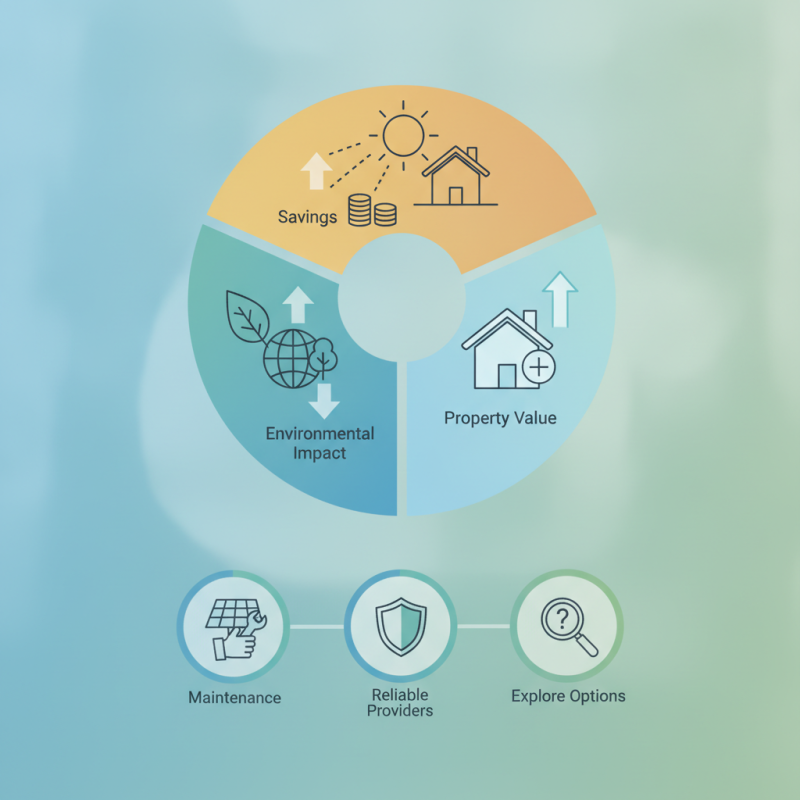
Sustainability matters, too. Solar for your home helps reduce your carbon footprint, contributing to a greener planet. This choice demonstrates a commitment to future generations. However, it’s important to choose reliable providers and understand system maintenance needs. A rushed decision could lead to regret. Take time to explore your options wisely and reflect on what solar can offer you.
Understanding Solar Energy: Basics and Applications
Solar energy is becoming increasingly essential for homeowners seeking energy savings and sustainability. Typically, solar panels convert sunlight into electricity, reducing dependency on traditional energy sources. According to the U.S. Department of Energy, solar energy has become 89% cheaper since 2009, making it an attractive option for residents. The application of solar energy extends beyond generating electricity; it can also power heating systems, thereby lowering heating costs.
When considering solar energy, understanding its fundamentals is crucial. Photovoltaic (PV) systems are the most common type of solar technology. They can effectively convert around 15-20% of sunlight into usable electricity. Homeowners should assess the solar potential of their property and local climate. Geographic factors play a significant role in energy generation.
Tip: Before investing, calculate potential savings with a solar calculator. Evaluate local incentives and rebates that can lower installation costs. It's important to weigh the initial investment against long-term savings. While many find solar energy beneficial, some may face obstacles, like high upfront costs or space limitations on rooftops. Understanding both benefits and challenges can empower homeowners to make informed decisions.
The Financial Benefits of Solar Energy for Homeowners
Homeowners are increasingly choosing solar energy due to its significant financial benefits. According to the Solar Energy Industries Association, installing solar panels can lead to savings of up to $1,500 annually on electricity bills. This is especially attractive with rising utility rates. Additionally, many regions offer tax credits and rebates for solar installations, amplifying the initial savings. A report by the National Renewable Energy Laboratory suggests that homes with solar systems sell for about 4% more than those without. This translates to an additional return on investment for homeowners.
Tips for maximizing your solar investment: Research local incentives thoroughly. Some areas offer substantial rebates that can lower upfront costs significantly. Also, consider timing your installation to capture maximum sunlight exposure throughout the year. Proper orientation and angle of your solar panels are crucial for efficiency.
Although solar energy presents undeniable advantages, potential drawbacks exist. Initial installation costs can be high, making it essential for homeowners to evaluate their financial situation carefully. Depending on location, some may struggle with net-metering policies, limiting returns on excess energy produced. Stay informed about these factors to ensure a good decision for your energy future.
Environmental Impact: How Solar Energy Reduces Carbon Footprint
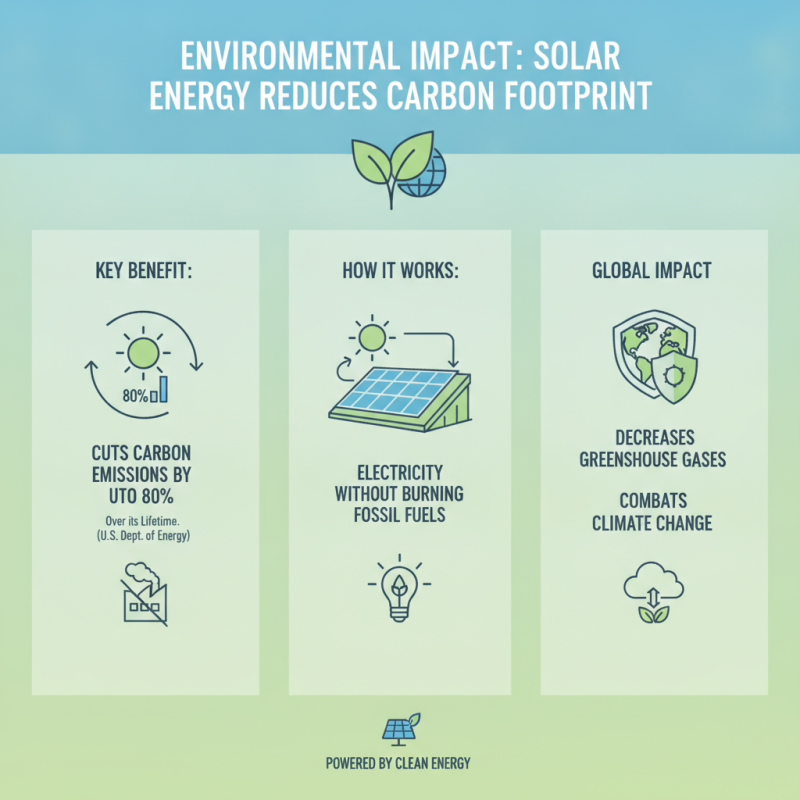
Solar energy has a profound impact on reducing our carbon footprint. According to the U.S. Department of Energy, solar power generation can cut carbon emissions by up to 80% over its lifetime. This significant reduction stems from the fact that solar panels produce electricity without burning fossil fuels. The transition from conventional energy sources to solar can lead to decreased greenhouse gas emissions, vital for combating climate change.
Communities embracing solar energy see not just environmental gains but also health benefits. The Clean Air Task Force reported that reducing reliance on coal and natural gas results in fewer respiratory issues. By shifting to solar, we can help eliminate 3,000 to 5,000 premature deaths annually, just in the U.S. alone. However, this transition isn't without challenges; local regulations and initial costs can hinder progress.
Many households are still hesitant to invest in solar technology. Education on financing options and installation processes is key. Understanding the long-term savings versus initial costs can encourage adoption. Solar energy is not just about innovation; it requires community effort and awareness. The path toward a greener future must address both the barriers and the clear benefits that solar energy provides.
Incentives and Rebates: Maximizing Solar Energy Savings
Incentives and rebates play a critical role in maximizing solar energy savings for homeowners. According to the U.S. Department of Energy, federal tax credits can offer up to 26% off the cost of solar panel installation. This benefit significantly reduces upfront expenses, making solar energy more accessible. Many states also provide additional incentives, which can vary widely. For example, California offers substantial rebate programs that can further lower installation costs.
Utility companies frequently provide performance-based incentives, paying homeowners for the energy their solar systems produce. A report by the Solar Energy Industries Association (SEIA) highlights that homeowners can earn thousands of dollars over the system's lifetime through these incentives. However, not all regions offer similar programs. Some areas lack adequate support, making it essential for homeowners to research local options thoroughly.
Understanding the nuances of these programs is vital. While incentives can be a boon, navigating the application processes may feel daunting. Delays and administrative hurdles can deter potential users. Homeowners need to be proactive, ensuring they meet all requirements to benefit fully. Seeking guidance from local solar experts can help clarify available options and streamline the process.
Why Choose Solar for Your Home Energy Savings and Benefits? - Incentives and Rebates: Maximizing Solar Energy Savings
| Incentive Type |
Details |
Potential Savings |
Eligibility Requirements |
| Federal Tax Credit |
Tax credit for a percentage of installation costs. |
Up to 26% of installation costs |
Home must be your primary residence. |
| State Rebates |
One-time cash rebate for solar system installations. |
Varies by state; average $1,000-$3,000 |
Must apply through state program. |
| Net Metering |
Sells excess energy generated back to the grid. |
Savings on monthly utility bills |
Available in most states with solar installation. |
| Property Tax Exemption |
No increase in property taxes due to solar installation. |
Varies by location |
Applicable in states that offer this exemption. |
Choosing the Right Solar System for Your Home Needs
When selecting a solar system for your home, it’s essential to consider your unique energy needs. Each household has different power consumption patterns. A recent report by the National Renewable Energy Laboratory shows that residential solar can reduce energy bills by up to 70%. Understanding your daily energy usage is the first step toward finding the right solution.
Consider the size of the solar array. The average home may require a system that generates anywhere from 4 to 10 kW. If your roof space is limited, efficiency becomes crucial. Opt for high-efficiency panels, which extract more energy from sunlight. Additionally, think about your home’s orientation and shading. These factors significantly impact your solar system's overall performance.
**Tip:** Before making a decision, calculate how much sunlight your roof receives.
Another important aspect to review is the inverter type. There are string inverters, microinverters, and power optimizers. Each has its pros and cons. Microinverters, for instance, perform better in shaded conditions but may be more costly upfront. Researching these options can ensure better returns on your investment.
**Tip:** Always check for local incentives that can offset installation costs.
Taking these points into account can guide you towards a sustainable energy future. Having a well-informed choice leads to more savings and benefits in the long run.
Why Choose Solar for Your Home Energy Savings and Benefits?