What Is the Best Solar Power Installation in 2026?
Choosing the best solar power installation in 2026 is not simply a matter of buying the highest-wattage panels. The right design must match a household’s energy use, roof, budget, and plans for the next decade. A south-facing roof may look ideal, yet afternoon shade from a tall tree can change the economics. Even small details matter. Monthly bills, local weather, utility policies, and the frequency of outages all shape the decision. A battery can add backup power, but it also raises upfront costs; it is not automatically worthwhile.
Rather than naming one universal winner, this guide weighs panel efficiency, inverter performance, battery compatibility, workmanship, warranties, and quote transparency. It also looks at whether savings estimates use realistic production assumptions instead of perfect-sun projections. Ask installers how they account for roof orientation, shade, electrical upgrades, and future maintenance. Those answers may reveal more than a polished payback chart. Comparisons have limits. A highly rated system can still underperform if its design or installation is careless, while a cheaper quote may leave out necessary work. This is easy to overlook. Use the guide as a starting point, then compare current local quotes and seek an independent review when practical. Details can change.
What a Solar Power Installation Includes
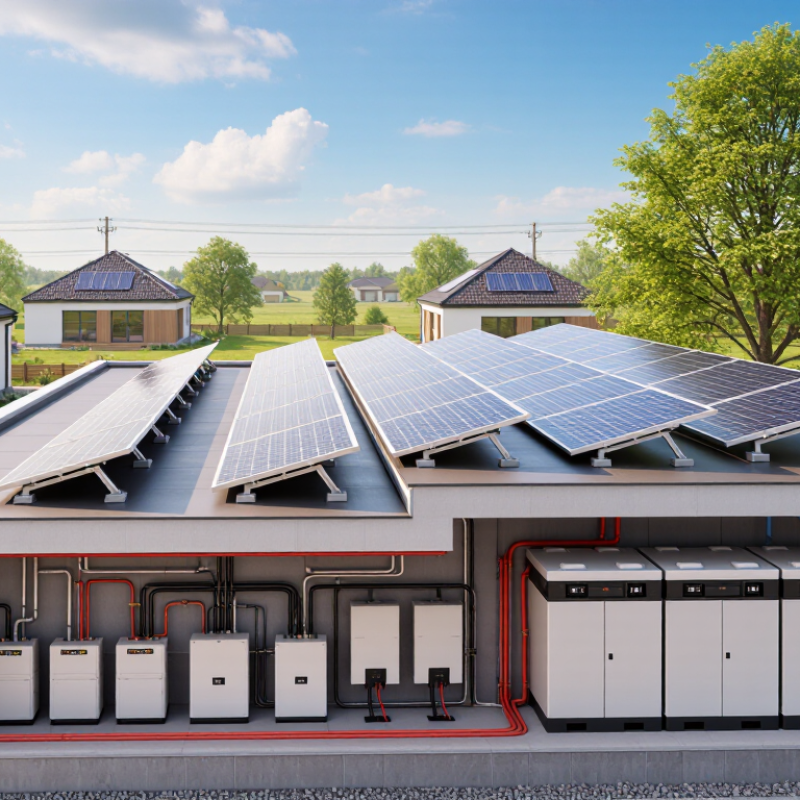
A solar power installation is more than panels on a roof. It typically includes photovoltaic modules, roof attachments or ground-mounted racks, an inverter, electrical wiring, safety disconnects, and a monitoring system. The inverter converts the panels’ direct-current electricity into alternating current for household use. A battery is optional, not an automatic part of every system. So is backup power.
The work also includes a site assessment, system design, permits, utility connection arrangements, installation, and inspection. A careful survey checks roof condition, shading, electrical-panel capacity, and where conduit will run. Small details matter. A vent can cast a narrow shadow; an old roof may need repairs before panels go up. NREL’s U.S. Solar Photovoltaic System and Energy Storage Cost Benchmark: Q1 2023 modeled an 8-kilowatt residential rooftop system at about $2.90 per watt of direct-current capacity. That is a benchmark, not a guaranteed local price; equipment, labor, and site conditions vary. Ask for an itemized proposal showing the system size, expected production, included electrical work, and any battery or roof costs. Even a tidy quote can overlook a detail. Check the assumptions.
What Is the Best Solar Power Installation in 2026?
What a Solar Power Installation Includes
This illustrative rooftop system uses 15 photovoltaic modules rated at 400 watts each, for 6 kilowatts of total DC nameplate capacity. A typical grid-connected installation also includes an inverter, mounting hardware, wiring and electrical protection, system monitoring, and permitting and utility interconnection work. Exact equipment and installation scope vary by home and location.
How Solar Panel Systems Differ in 2026
What Is the Best Solar Power Installation in 2026?
How Solar Panel Systems Differ in 2026
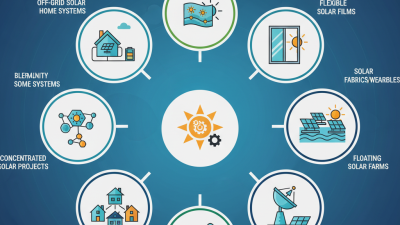
Solar systems differ in how they handle shade, power conversion, and evening use. A string inverter links several panels, so shade on one panel can reduce output across part of the array. Microinverters convert power at each panel, which can help on roofs with trees, chimneys, or multiple angles. That matters. But the extra equipment is not automatically worth the cost on a clear, simple roof.
System size and layout matter as much as panel specifications. Berkeley Lab’s Tracking the Sun 2024 reported a median U.S. residential system size of roughly 7.4 kW for 2023 installations. A typical home may need less or more, depending on its electricity use, roof space, and local sunlight. I would be cautious about choosing a system from panel efficiency alone; a high-efficiency panel cannot fix poor placement.
Storage changes the system’s purpose. A battery can keep selected circuits running during an outage, but it adds cost and does not usually power every household appliance all night. At utility scale, NREL’s 2024 Annual Technology Baseline models systems using single-axis tracking, which follows the sun through the day. IEA PVPS reported about 447 GW of new solar capacity worldwide in 2023, reflecting the growing range of installation designs. For a home, compare expected annual production, backup needs, and the roof’s shaded hours before comparing quotes.
Key Factors for Comparing Solar Installations
Choosing the best solar installation in 2026 means comparing how well a system fits your home, not just its panel rating.
A roof facing strong afternoon sun may still lose output to a chimney’s narrow shadow. Ask for a shade assessment and a monthly production estimate based on your roof’s orientation, local weather, and electricity use. Check that the proposed system size matches your recent bills. Bigger is not always better.
Compare the full equipment list, including panels, inverter, mounting hardware, and any battery. An inverter affects how the system handles power; a battery may help during evening use, but adds cost and maintenance. Ask what the production estimate assumes, and whether it includes shading or expected system losses. Small details matter. A polished sales estimate can still overlook a roof repair or electrical upgrade.
Installation quality deserves close attention. Ask who will perform the work, how roof penetrations are sealed, and what happens if a component fails. Review workmanship and equipment warranties separately, since they cover different problems. Check the quote for permitting, monitoring, service visits, and exclusions. I would not judge an offer by payback estimates alone; those figures depend on future utility rates and actual output. It is easy to overvalue a high efficiency number and underweight clear service terms. That comparison takes patience.
Matching a Solar System to a Property’s Energy Needs
The best solar installation in 2026 is not simply the one with the most panels. It is the system that fits a property’s actual energy use, roof, and daily routines. Start with the meter. Review a full year of electricity bills, noting seasonal peaks and unusually high months. A home that uses most of its power after sunset may need battery storage, while a daytime-occupied home may use solar energy directly.
Roof conditions matter just as much. Shade from a chimney or nearby tree can reduce output, and roof direction affects how sunlight arrives during the day. An installer should inspect these details and explain estimated production using local weather and the property’s layout. Ask how the design accounts for future changes, such as an electric vehicle or heat pump. Oversizing for needs that may never arise can add cost without clear value.
The numbers deserve a careful look. Compare expected annual production with household consumption, and ask what assumptions shape the estimate. Battery capacity should reflect essential loads and typical outage needs, not just a sales target. Small details count: an older electrical panel, limited roof space, or a shaded garage can change the practical design. Estimates are still estimates; I would treat precise production promises with caution. A thoughtful system leaves room for real life, which rarely follows a perfect spreadsheet.