• Cleveland QLD 4163 Find us on Facebook

  • Top 10 Renewable Energy Solutions You Need to Consider?

    In today's rapidly changing world, the importance of renewable energy solutions has never been more evident. As climate concerns grow, more individuals and businesses seek sustainable alternatives. These solutions can reduce carbon footprints, enhance energy independence, and promote a healthier planet.

    Innovative technologies are rapidly advancing in this sector. From solar panels to wind turbines, various options exist. Yet, not all renewable energy solutions suit every situation. Evaluating specific needs is vital. Each method comes with its strengths and limitations, and understanding these nuances is crucial.

    As we explore the top 10 renewable energy solutions, it’s essential to reflect on personal and community requirements. These alternatives not only provide energy but also inspire a shift towards sustainability. The journey toward a greener future requires informed choices and careful consideration of what truly works best for us.
    Top 10 Renewable Energy Solutions You Need to Consider?

    Understanding Renewable Energy: A Growing Necessity for the Future

    As the world grapples with climate change, the shift towards renewable energy has become vital. Understanding renewable energy involves recognizing its potential benefits and challenges. It is about more than just switching to wind or solar; it's about transforming how we live and work. Communities are working together to adopt sustainable solutions. This shift requires investment, education, and strategic planning.

    Transitioning to renewable energy sources is not without hurdles. Infrastructure needs upgrading and public support is essential. Some may worry about job losses in conventional energy sectors. However, new jobs in renewable sectors are emerging, often promising better working conditions. As we explore these energy solutions, a balanced perspective on their impact is crucial. We must weigh the long-term benefits against short-term challenges.

    Experts emphasize the need for innovation and collaboration. Each renewable energy solution, from solar to biogas, has its own set of advantages and limitations. Achieving sustainability is a journey of trial and error. Stakeholders must be willing to adapt. Real change requires continuous effort and reflection on our energy choices.

    Solar Power: Harnessing the Sun’s Energy for Sustainable Solutions

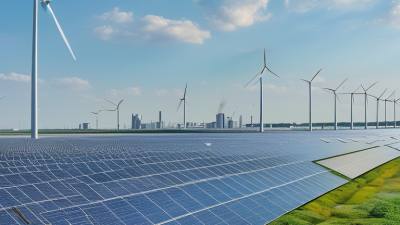
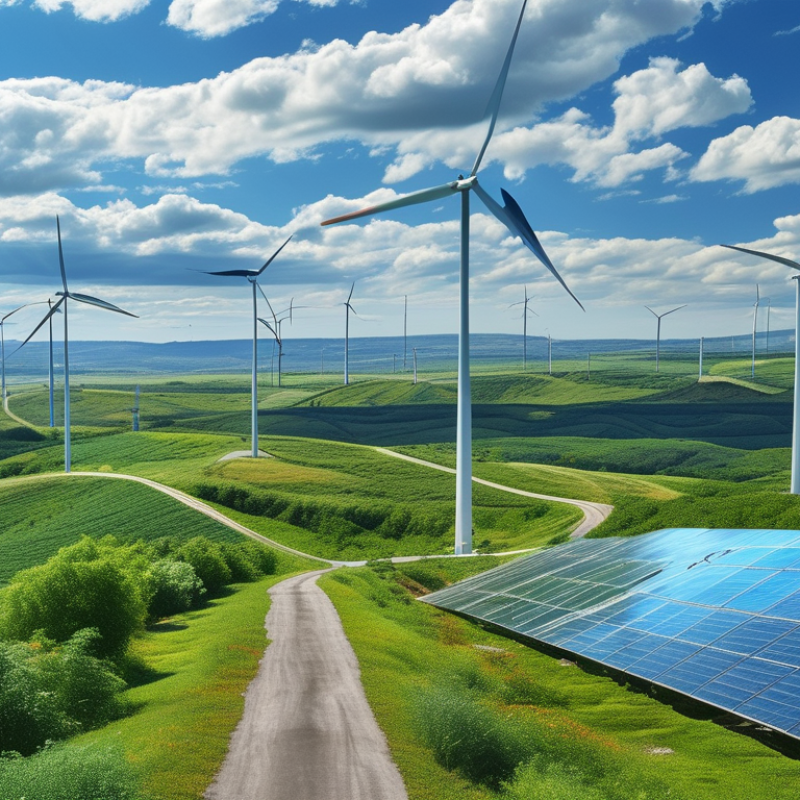
    Solar power is an incredible resource for achieving sustainable energy solutions. By harnessing the sun's energy, we can significantly reduce our carbon footprint. Solar panels convert sunlight into electricity, providing clean energy for homes and businesses. They can be installed on rooftops or in large solar farms, absorbing sunlight during the day.

    Despite its advantages, there are challenges with solar energy. High initial costs can be a barrier for many. Not everyone has the ideal location for solar panels. Some regions receive less sunlight, which can limit efficiency. Additionally, energy storage remains a concern. Battery technology is improving but can be expensive and environmentally taxing.

    Solar energy has the potential to transform our energy landscape. However, it’s essential to remain critical of its limitations. Advocates must consider not only the benefits but also the practical hurdles. Effective planning and investment in technology are crucial for overcoming these issues. By addressing these challenges, we can move closer to a sustainable future powered by solar energy.

    Top 10 Renewable Energy Solutions You Need to Consider

    Wind Energy: Capturing Wind Power through Turbines and Technology

    Wind energy plays a vital role in the transition to renewable resources. As of 2021, wind power contributed approximately 8.4% of the global electricity supply. This is a substantial increase from just a few percent a decade earlier. Turbines, both onshore and offshore, have rapidly advanced in design and efficiency. Larger turbines can now generate over 10 MW each, harnessing more wind energy than ever before.

    Recent reports from the Global Wind Energy Council indicate that the wind industry could create up to 3.3 million jobs globally by 2030. This potential is driving investments and innovation in turbine technology. However, not all regions benefit equally; some face challenges like inadequate infrastructure. Additionally, environmental concerns about wildlife and ecosystem disruption require careful planning.

    The average capacity factor for wind projects varies; while some locations reach 50%, others may only achieve 30%. This variability poses questions about reliability. Without proper assessments, investments in wind energy can be risky. Despite these challenges, wind energy remains a cornerstone for achieving global climate goals, with continued investment and development essential for progress.

    Top 10 Renewable Energy Solutions You Need to Consider
    Solution Description Advantages Challenges Estimated Cost ($/kWh)
    Wind Energy Harnessing wind power through turbines Renewable, low operating costs, job creation Intermittent supply, noise, impact on wildlife 0.01 - 0.02
    Solar Energy Converting sunlight into electricity using solar panels Abundant, decreasing costs, off-grid potential Weather dependent, space requirements, storage issues 0.03 - 0.06
    Hydroelectric Generating power through flowing water Reliable, low emissions, can be used for irrigation Environmental impact, high initial investment 0.02 - 0.05
    Geothermal Utilizing heat from the Earth’s interior Sustainable, low emissions, small land footprint Location specific, high upfront costs 0.05 - 0.09
    Biomass Burning organic materials for energy Waste reduction, carbon neutral potential, versatile Air pollution, land use concerns 0.04 - 0.10
    Tidal Energy Harnessing energy from ocean tides Predictable, renewable, minimal emissions High costs, limited locations 0.05 - 0.15
    Wave Energy Using ocean surface motion to generate electricity Renewable, abundant energy source Technological challenges, variable output 0.08 - 0.12
    Hydrogen Fuel Cells Converting hydrogen into electricity Zero emissions, high efficiency Infrastructure costs, hydrogen production emissions 0.07 - 0.13
    Nuclear Energy Nuclear reactions to produce electricity Low emissions, high output Radioactive waste, high initial cost 0.03 - 0.04
    Renewable Energy Storage Storing energy from renewable sources for later use Enhanced reliability, supports grid stability Cost, technological advances needed 0.10 - 0.20

    Hydropower: Utilizing Water Flow for Clean and Renewable Electricity

    Hydropower harnesses the energy of flowing water to generate electricity. This renewable energy source has been used for centuries. It is known for its significant capacity to produce clean power. Dams and rivers are common sites for hydropower plants. When water flows, it turns turbines, converting kinetic energy into electrical energy. This process is efficient and can produce substantial energy, especially in regions with ample water resources.

    Despite its benefits, hydropower is not without challenges. Building dams can disrupt local ecosystems and displace communities. Fish migration may also be affected, leading to decreased biodiversity. Additionally, sediment buildup can reduce a dam's efficiency over time. Climate change impacts water availability, making it essential to consider future water flow during planning.

    Nevertheless, hydropower remains a crucial player in the renewable energy sector. It complements other energy sources, providing stability to the power grid. Investing in technologies to improve sustainability is vital. As the world shifts toward cleaner energy, understanding the role of hydropower can guide future developments. Balancing energy needs with environmental care is crucial for progress.

    Geothermal Energy: Tapping into Earth’s Heat for Sustainable Heating Solutions

    Geothermal energy utilizes the Earth's heat. This resource is abundant and renewable. It can significantly reduce heating costs. By tapping into underground reservoirs, we access steam or hot water. This process can power homes and businesses effectively.

    The installation is not without challenges. The initial costs can be high, and the technology may require expertise. Location is critical; not all areas are suitable for geothermal systems. Some regions may not have sufficient geothermal resources. This can limit the widespread adoption of this solution.

    Despite these hurdles, geothermal energy holds promise. It is a sustainable option for heating solutions. With proper research and understanding, communities can maximize its benefits. Over time, the advantages can outweigh the drawbacks. Collaboration among experts can ensure efficient implementation.