Top Benefits of Solar Power for Global Buyers?
The global shift towards renewable energy continues to gain momentum, with solar power leading the charge. According to the International Energy Agency (IEA), solar energy capacity reached a remarkable 1,000 gigawatts in recent years. This translates to a significant reduction in carbon emissions, showcasing solar power's potential for a sustainable future.
Industry expert Dr. Emma Thompson states, “Solar power is not just a trend; it’s the cornerstone of a green economy.” Her insights underline the urgency to embrace solar solutions. Many countries are investing heavily in solar infrastructure. This has sparked job creation and technological advancements in the sector.
However, challenges remain. Initial setup costs can deter some businesses from transitioning to solar. The variability in sunlight also complicates energy planning. Despite these hurdles, the long-term benefits of solar power, including lower energy bills and increased energy security, are compelling. Businesses that invest wisely can not only benefit economically but also contribute positively to the environment.

Understanding Solar Power and Its Global Impact
Solar power is rapidly transforming the global energy landscape. According to the International Renewable Energy Agency (IRENA), the capacity of solar power has surged from 40.3 gigawatts in 2010 to over 1,000 gigawatts in 2022. This remarkable growth reflects the increasing commitment to renewable energy solutions. Solar energy reduces greenhouse gas emissions, helping combat climate change, yet challenges remain. Not all regions benefit equally from sunlight.
Understanding solar power involves acknowledging both its advantages and limitations. For instance, solar farms require significant land, which can lead to habitat loss. The efficiency of solar panels varies by technology and location. The Global Solar Council reports that, on average, solar panels convert only 15-20% of sunlight into electricity. As buyers consider solar energy, they must weigh investment costs against long-term savings.
Energy storage is another critical factor. Many solar systems rely on batteries to store excess power. However, these batteries can be expensive and are often not sustainable. Furthermore, the recycling of solar panels is an emerging concern. The Circular Economy Institute estimates that by 2030, 78 million tons of solar waste could accumulate globally. This waste creates an urgent call for sustainable disposal solutions.
Cost Savings for Consumers and Businesses with Solar Energy
Solar energy has become a popular choice for many consumers and businesses. Cost savings is one of the most significant benefits of this renewable energy source. By utilizing solar power, households can reduce their monthly electricity bills considerably. For businesses, this can lead to substantial savings, boosting profit margins over time.
The initial investment in solar technology is often high. However, the long-term benefits typically outweigh these costs. Tax incentives and rebates can further offset these expenses. Many users report enjoying lower costs after the installation period. These savings can be redirected towards other important areas, such as community projects or improving services.
Despite these advantages, some challenges remain. The effectiveness of solar panels can be influenced by geographic location and weather patterns. It’s essential to consider these factors when evaluating solar energy as a financial decision. The transition to solar power requires careful planning and research. Yet, the potential savings and environmental benefits are compelling reasons for many global buyers to consider this energy solution.
Top Benefits of Solar Power for Global Buyers
This chart illustrates the cost savings associated with solar energy for consumers and businesses, highlighting the potential savings over a decade. The data reflects average savings based on global trends in solar adoption.
Environmental Benefits of Solar Power for a Sustainable Future
Solar power presents significant environmental benefits that contribute to a sustainable future. By harnessing the sun's energy, we significantly reduce our reliance on fossil fuels. This shift helps lower greenhouse gas emissions, which are major contributors to climate change. Solar panels generate electricity without emitting harmful pollutants. This process is cleaner than traditional energy sources.
Switching to solar energy not only benefits the planet but also conserves precious water resources. Conventional energy generation requires vast amounts of water for cooling. Solar power uses negligible water, helping to preserve water supplies. However, the manufacturing of solar panels does involve some water usage, creating a complex situation. It is essential to consider these factors when promoting solar energy solutions.
Another important aspect is waste management. While solar panels have a long lifespan, they can generate waste at the end of their life cycle. Although recycling technologies are developing, they are not yet foolproof. This aspect calls for ongoing research and improvements in solar panel disposal methods. It highlights the need for continual refinement and innovation in the solar industry.
Enhancing Energy Independence through Solar Adoption
Solar power is rapidly becoming a cornerstone for global energy independence. By harnessing the power of the sun, countries can reduce reliance on imported fuels. This shift can stabilize energy prices and enhance national security. Transitioning to solar energy is not just an environmental choice; it empowers nations economically.
Investing in solar technology can generate local jobs. Skilled workers are needed for installation, maintenance, and innovation. This job creation is crucial, especially in areas facing economic challenges. Communities can thrive by becoming more self-sufficient.
However, transitioning to solar energy also comes with hurdles. Initial costs can be high, and some may lack access to solar resources. These issues must be addressed.
Tips for going solar include researching local regulations. Understanding incentives can help reduce financial burdens. Consider the time of year when planning installations; longer sunlight hours can increase efficiency. Additionally, explore community solar projects if individual installations aren't feasible.
Remember, being aware of potential challenges is key. Research and consultation are critical to making informed decisions about solar adoption, ensuring it aligns with your energy needs.
Technological Advancements Driving Solar Power Efficiency and Accessibility
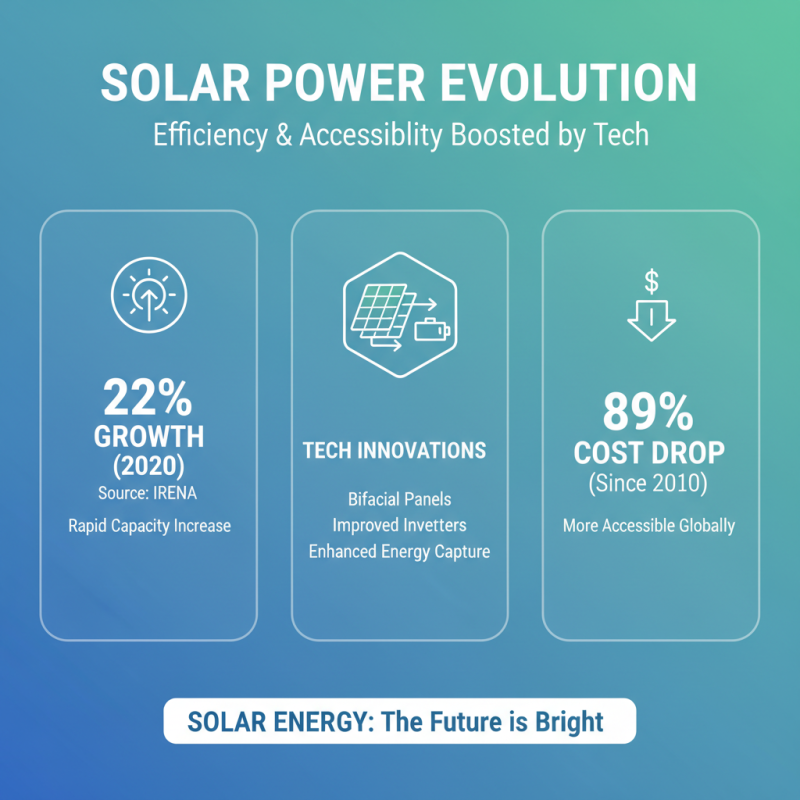
Technological advancements have significantly improved solar power efficiency and accessibility in recent years. According to the International Renewable Energy Agency (IRENA), global solar photovoltaic capacity grew by 22% in 2020 alone. This rapid growth results from innovations in solar technologies, such as bifacial panels and improved inverters, which enhance energy capture and conversion rates. Notably, the average cost of solar energy has dropped by 89% since 2010, making it a more viable option for buyers worldwide.
Additionally, the integration of artificial intelligence in solar energy systems has led to better performance monitoring. AI can predict energy output based on weather patterns, allowing for optimized operations. As reported by Wood Mackenzie, the deployment of these smart technologies is expected to grow by over 30% in the next five years. However, not all markets equally benefit from these innovations. Regions with less investment in technology may still face obstacles in accessing efficient solar solutions.
Another consideration is the recycling of solar panels. As the industry grows, so does the challenge of waste management. Current data indicates that by 2030, solar panel waste could reach up to 78 million tons globally. This highlights the need for sustainable practices in the solar industry to address future environmental concerns. Overall, while technological progression is promising, there are crucial areas that require attention for holistic advancement.