Top 5 Green Energy Solar Solutions for Global Buyers?
As the global demand for sustainable energy grows, green energy solar solutions are becoming essential for buyers worldwide. According to a report by the International Energy Agency, solar energy capacity is expected to double by 2025. This shift highlights the increasing reliance on renewables in tackling climate change and promoting energy independence.
Green energy solar technologies offer diverse options, catering to various market needs. From photovoltaic panels to solar thermal systems, these solutions are gaining traction among businesses and homeowners alike. In fact, the Solar Energy Industries Association reports a 20% annual growth rate in the U.S. solar market. This growth reflects not just technological advancements but also a shift in consumer attitudes toward energy consumption.
Despite the progress, challenges remain in adopting green energy solar solutions. Cost barriers and regulatory hurdles can hinder swift deployment. Furthermore, proper installation and maintenance are crucial for optimizing performance. Addressing these issues will lead the way to a more sustainable future, empowering buyers to make informed decisions in the ever-evolving green energy landscape.
Overview of Solar Energy as a Green Solution for Global Buyers
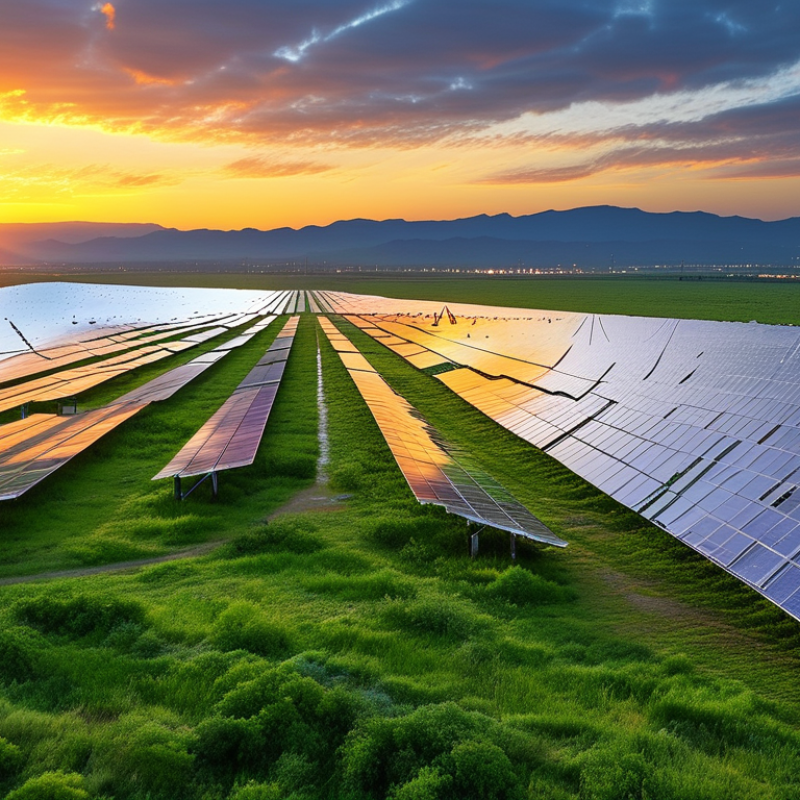
Solar energy stands out as a leading green solution for global buyers. It harnesses sunlight to generate electricity, offering a clean alternative to fossil fuels. The rising concern over climate change fuels the demand for sustainable energy. Countries worldwide are increasingly investing in solar technologies, understanding their long-term benefits. Solar panels convert sunlight into energy, reducing carbon footprints effectively. This shift not only helps the environment but also promotes energy independence.
When considering solar solutions, assess local sunlight conditions. Regions with abundant sunshine can maximize energy production. A well-planned solar system can significantly lower electricity bills. Understand your energy needs and explore various solar technologies available in the market. Utilizing local resources for installation can enhance efficiency and performance.
As with any energy solution, there are challenges. Initial installation costs can be high, and potential inefficiencies may arise from poorly placed panels. Research is vital before making a commitment. Engaging with experienced professionals can help in navigating the complexities of solar installations. Always look for reliable information when evaluating options, particularly regarding warranties and system maintenance.
Key Technologies in Solar Energy Solutions for Renewable Energy
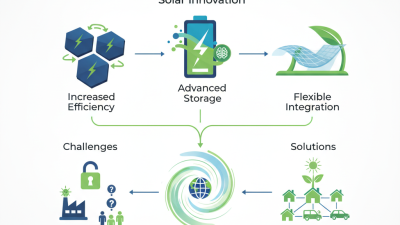
Solar energy is a rapidly growing field, driven by innovation and sustainability. Key technologies in solar solutions include photovoltaic (PV) cells, solar thermal energy, and energy storage systems. PV cells convert sunlight into electricity, a process improving in efficiency over time. Notably, advancements in material science enhance their performance under varied conditions. Solar thermal systems, on the other hand, use sunlight to heat fluids, offering solutions for both residential and industrial applications.
Energy storage is vital for maximizing solar energy utility. Batteries allow excess energy to be stored for later use, ensuring a steady supply. This technology is crucial for areas with intermittent sunlight. It can address concerns about reliance on renewable sources alone. Implementing solar solutions requires careful planning. Understanding local regulations, site conditions, and energy needs is essential.
Consider integrating solar solutions with existing infrastructure. Retrofitting can minimize costs while optimizing energy usage. Evaluate the size and orientation of your property. An ideal setup captures maximum sunlight throughout the day. Maintain your solar panels to ensure optimal performance. Regular cleaning and inspections can identify potential issues early. This approach enhances the longevity of your solar investment.
Top 5 Solar Solutions with Competitive Advantages for Global Markets
The demand for solar energy solutions continues to rise globally. Recent studies indicate that the solar market is expected to grow at a CAGR of 25% through 2026. This growth is driven by dwindling fossil fuel reserves and increasing environmental awareness. Global buyers seek solar solutions that offer competitive advantages.
One major advantage lies in technology efficiency. Advanced photovoltaic (PV) systems can convert sunlight into electricity with an efficiency of over 22%. Furthermore, battery storage solutions are evolving. Enhanced storage can improve energy reliability for consumers. According to the International Energy Agency, energy storage capacity is predicted to expand by 50% by 2025.
Pricing trends also favor solar energy. The cost of solar installations has fallen by over 80% since 2010. This trend makes solar solutions increasingly accessible to a broader audience. However, regional disparities in technology access can hinder some markets. Local policies and incentives can create gaps in adoption rates. Addressing these issues remains vital for the overall growth and sustainability of solar energy in global markets.
Evaluating the Cost-Effectiveness of Solar Energy Solutions
The cost-effectiveness of solar energy solutions is increasingly relevant in today's market. According to the International Energy Agency (IEA), the cost of solar photovoltaics (PV) has dropped by about 89% since 2009. This significant decline in costs has made solar energy more accessible for global buyers. However, the initial investment in solar installations can still be substantial, raising questions about financial feasibility and long-term benefits.
Moreover, while solar solutions are often touted for their environmental benefits, the payback period can vary widely. A 2021 report from Lazard highlights that the Levelized Cost of Energy (LCOE) for utility-scale solar stands at around $40-$60 per megawatt-hour. In regions with high sunlight exposure, solar energy is now cheaper than fossil fuels. Yet, factors like installation costs and regional incentives play crucial roles in calculating overall cost-effectiveness.
Not all buyers may find solar solutions equally economical. Installation complexities and maintenance requirements can add hidden costs. Additionally, some regions face regulatory barriers that hinder adoption. This varied landscape means buyers must conduct thorough assessments. Evaluating local conditions, energy needs, and potential savings becomes essential in making informed decisions.
Future Trends in Solar Energy Adoption for Sustainable Development
The adoption of solar energy is transforming the landscape of sustainable development. Increasingly, buyers worldwide are exploring innovative solar solutions. This shift comes as countries face urgent climate challenges. The future trends in solar adoption reflect both technological advancements and evolving consumer needs.
Emerging technologies, such as improved photovoltaic cells, are making solar energy more efficient. These advancements allow for better energy capture, even in low-light conditions. Many hope this will lead to wider accessibility in remote regions. However, high initial costs for installation still deter some potential users. Balancing cost with sustainable benefits remains a critical reflection point.
Policymakers worldwide are also contributing to this trend. Many governments are incentivizing solar adoption through tax rebates and subsidies. Such initiatives create a more inviting environment for investment. Yet, inconsistent policies across regions can hinder progress. Greater collaboration and unified regulations are necessary for a smooth transition to solar energy. This ongoing discourse underscores the complexities of achieving a greener future.