How to Choose Solar for Your Home and Save Money?
Choosing solar for your home can influence your energy costs significantly. With rising utility bills, many homeowners seek sustainable solutions. Solar energy not only reduces expenses but also benefits the environment. However, the selection process can feel overwhelming.
Understanding your options is crucial. Different systems offer various efficiencies and price points. Researching reputable solar providers is key to ensuring quality. Look for companies with a solid track record and positive reviews. Ensure they have experience tailored to your specific needs.
Reflect on how solar for your home fits your lifestyle. Will you stay long enough to benefit from the savings? Do you have suitable roof space? These considerations matter. The decision involves weighing costs, benefits, and potential challenges.
Understanding Solar Energy and Its Benefits for Homeowners
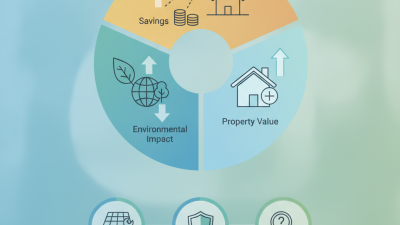
Solar energy presents significant advantages for homeowners looking to save on energy costs. It harnesses sunlight to generate electricity, which means more savings on utility bills. Installing solar panels can lead to substantial reductions in monthly expenses. Moreover, solar energy systems can increase your home’s value. Many homebuyers are attracted to homes with solar installations due to their lower energy costs.
Understanding solar energy is crucial. It provides clean, renewable power that reduces your carbon footprint. Additionally, solar energy can offer independence from fluctuating energy prices. Homeowners can monitor their energy production in real-time, offering an empowered approach to consumption. However, the initial investment can be daunting. It's essential to do thorough research and consider available financing options.
Many people underestimate the long-term benefits of going solar. The combination of rebates, tax credits, and decreasing panel prices can make solar more accessible than ever. Consider your roof's orientation and shading when planning your installation. Each home's solar potential can vary, and not every roof may be suited for panels. Balancing efficiency and aesthetics will be key in making your decision.
Assessing Your Home’s Solar Potential and Energy Needs
To effectively assess your home’s solar potential, start by evaluating the available roof space and sunlight exposure. A south-facing roof with minimal shading is ideal for solar panels. According to the National Renewable Energy Laboratory, homes with optimal conditions can achieve up to 80% energy generation efficiency. It's crucial to measure both the square footage and slope of your roof. A steep roof may limit panel installation options, impacting overall system output.
Next, consider your energy needs. Analyze your past electricity bills to determine your average monthly consumption. The U.S. Energy Information Administration reports that the average household uses about 877 kWh per month. Understanding this can help you gauge how many solar panels you need. Remember, the output of solar panels varies by location and season. For example, areas with more sunlight generally produce more energy, while average climates may experience fluctuations.
Lastly, obtaining multiple quotes from certified solar installers can further clarify your options. Not all companies have the same expertise or pricing structures. Research shows that installation costs can vary by up to 30% across different providers. As you navigate these decisions, stay informed about local incentives and rebates. Each step can significantly impact your savings and solar investment, prompting critical reflection on your energy choices.
Exploring Different Types of Solar Panels and Systems
When choosing solar for your home, understanding the types of solar panels and systems is crucial. There are mainly three types of solar panels: monocrystalline, polycrystalline, and thin-film. Monocrystalline panels are known for their efficiency and space-saving designs. They often yield more energy in limited spaces, making them ideal for smaller rooftops. In contrast, polycrystalline panels are generally less expensive but require more space due to their lower efficiency.
Considering a solar system goes beyond just panel type. You have to think about inverter options as well. String inverters are common, but microinverters can maximize energy production by optimizing output from each panel. According to a recent Solar Energy Industries Association report, homes with good solar systems can reduce energy bills by up to 70%. However, an initial investment still poses a barrier for many homeowners.
Moreover, installation quality matters significantly. An improperly installed system can lead to reduced efficiency and potential damage. Research indicates that well-installed systems can last 25 years or more with minimal maintenance. It’s essential to choose experienced installers who adhere to industry standards. Select systems that meet your home's specific energy needs and budget, as this will optimize your return on investment while contributing to a cleaner environment.
How to Choose Solar for Your Home and Save Money? - Exploring Different Types of Solar Panels and Systems
| Type of Solar Panel |
Efficiency (%) |
Cost per Watt ($) |
Lifespan (Years) |
Warranty (Years) |
| Monocrystalline |
15-22 |
$2.50 - $3.00 |
25 |
25 |
| Polycrystalline |
13-16 |
$1.50 - $2.50 |
25 |
20 |
| Thin-Film |
10-13 |
$1.00 - $2.00 |
20 |
10-15 |
Calculating Costs and Savings of Solar Installation
When considering solar installation, calculating costs and potential savings is crucial. A 2023 report from the Solar Energy Industries Association indicates that homeowners can save an average of $20,000 over 20 years. This figure varies based on energy consumption and local electricity rates. In some states, tax credits can further enhance savings, sometimes covering up to 26% of installation costs.
However, the initial investment can seem daunting. The average cost of a residential solar system is around $15,000 to $25,000 before any incentives. Homeowners must conduct a detailed analysis of their energy bills. This helps in understanding the system size needed. It’s helpful to compare this cost against future savings. Some households may find that it takes several years to break even.
Moreover, some regions may have less optimal sun exposure, causing reduced efficiency. Maintenance costs can also add unexpected expenses over time. This scenario emphasizes the need for thorough research and consultation with solar experts. Balancing these factors can lead to a better-informed decision. Ultimately, evaluating both immediate costs and long-term financial benefits is essential for maximizing savings.
Navigating Incentives, Rebates, and Financing Options for Solar
Navigating the world of solar energy can be overwhelming. Understanding incentives, rebates, and financing options is crucial for saving money. Many homeowners don't realize the substantial federal and state tax credits available. These can significantly reduce the initial cost of installation. Research local programs too; some states offer additional rebates for solar panel systems.
Consider your financing options. You can choose between purchasing the system outright, financing it, or leasing. Each option affects your overall savings differently. Sometimes, lower monthly payments seem enticing. However, ownership often leads to greater long-term savings. Analyze your budget carefully before making a decision.
Keep an eye on deadlines for incentives. Some rebates can expire quickly. It’s easy to procrastinate. Inaction could mean losing out on thousands. Don't be afraid to ask questions during consultations. A knowledgeable installer can clarify confusing terms. Remember, investing in solar is not just about saving money—it's about making a responsible choice for the environment.