China Top My Solar Energy Suppliers for Global Buyers?
China has become a central sourcing market for global solar buyers. The opportunity is substantial, but supplier selection requires more than comparing catalog prices. The International Energy Agency’s Renewables 2024 report states that China is expected to contribute nearly 60% of global renewable capacity growth through 2030. Its manufacturing depth covers modules, cells, inverters, mounting systems, and storage equipment. The scale is undeniable.
The IEA Photovoltaic Power Systems Programme reported that global photovoltaic capacity exceeded 1.6 terawatts by the end of 2023. China represented more than half of that installed capacity. This production ecosystem can offer competitive pricing, flexible specifications, and shorter development cycles. Yet these advantages vary between suppliers. A low quotation may hide weaker warranties, inconsistent testing, or unclear after-sales responsibilities.
This guide examines China’s top solar energy suppliers for international buyers seeking reliable my solar energy solutions. Supplier evaluation should include factory audits, product certifications, degradation warranties, and shipment records. Buyers should also verify whether certificates match the exact model being purchased. That detail matters. Reports from the IEA, IRENA, and BloombergNEF provide valuable market context, but they cannot replace direct technical verification. Even experienced buyers can overlook a small clause in a warranty or a packaging requirement. Therefore, this overview combines market evidence with practical sourcing considerations, while recognizing that “top” depends on project size, location, financing, and risk tolerance. A strong supplier is not always the largest one. Sometimes, responsiveness matters more.
China’s Role in the Global Solar Energy Supply Chain
China’s Role in the Global Solar Energy Supply Chain
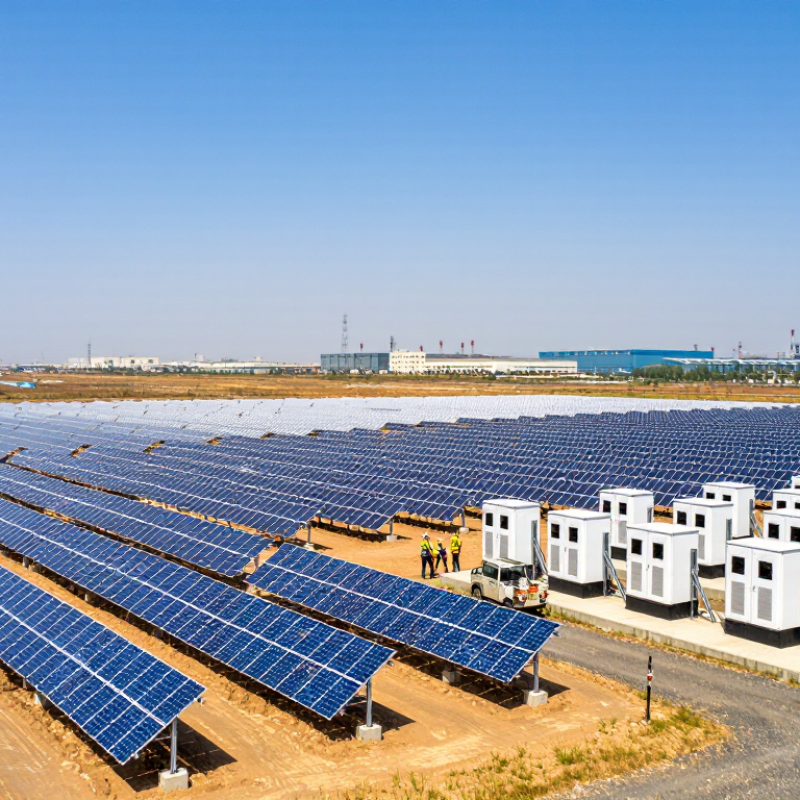
China plays a central role in the global solar energy supply chain. Its factories produce large volumes of polysilicon, wafers, cells, and modules. This scale often helps international buyers control project costs and delivery schedules.
The supply chain is highly connected. A wafer may be produced in one province, converted into a cell elsewhere, and shipped through a coastal port. Procurement teams usually review factory records, material certificates, production capacity, and quality-control procedures. They also check whether packaging can protect panels from humidity, vibration, and long-distance transport.
Details matter.
Experienced buyers do not judge suppliers by price alone. They compare efficiency ratings, temperature performance, warranty terms, spare-part access, and inspection results. Clear documentation supports stronger purchasing decisions. Independent testing can also reveal defects that factory photographs miss.
China’s manufacturing strength does not remove every risk. Shipping delays, policy changes, currency movements, and uneven quality can affect project planning. Smaller suppliers may offer attractive prices but lack stable after-sales support. That weakness is easy to underestimate.
I have seen how a minor specification mismatch can delay installation. A connector, frame dimension, or certificate requirement may differ from local expectations. Better communication before production prevents expensive corrections later. Still, even careful planning cannot remove every uncertainty. The market keeps changing, and buyers must review their assumptions.
China’s Role in the Global Solar Energy Supply Chain
China held the largest share of global solar photovoltaic manufacturing capacity in 2023, particularly in wafers and polysilicon. This concentration makes China a central supplier for global solar projects while also highlighting the supply-chain dependence of other markets.
Source: International Energy Agency, Renewables 2024. Figures are approximate shares of global manufacturing capacity in 2023.
How to Evaluate Chinese Solar Suppliers for Global Projects
Evaluating Chinese solar suppliers for global projects requires more than comparing price per watt.
Start with production evidence. Request recent factory-audit reports, production capacity records, and serial-number traceability from wafer to finished module. A clean showroom proves little. Inspect quality-control stations, glass storage, soldering processes, and final electroluminescence testing. Ask whether the same factory will produce your order.
Technical compliance must match the project location.
Verify applicable IEC, UL, fire-safety, grid-connection, and environmental requirements with an independent testing body. Review temperature coefficients, mechanical-load data, degradation guarantees, and product-warranty exclusions. Request samples from current production, not older demonstration stock. Small details matter, such as connector compatibility and packaging strength during a long sea journey.
Commercial reliability needs equal attention.
Check audited financial information, export experience, delivery records, spare-parts policies, and response times for warranty claims. Define inspection points, acceptance criteria, payment milestones, and remedies for late delivery in the contract. Local service partners should have trained technicians and accessible replacement inventory. My checklist is not perfect. A supplier can pass documents yet struggle with communication after shipment. Speak with several previous project owners, visit an operating installation, and compare measured output with the original forecast. Use evidence, not polished promises.
Major Solar Products and Manufacturing Capabilities
China’s Solar Energy Suppliers for Global Buyers: Major Solar Products and Manufacturing Capabilities
China remains a central manufacturing base for global solar projects. The International Energy Agency reports that China produces over 80% of global polysilicon, wafers, cells, and modules. IRENA recorded about 452 gigawatts of new solar capacity worldwide in 2024. China supplied a substantial share of that expansion. These figures show scale, but not every supplier offers the same quality.
Major product categories include monocrystalline modules, bifacial panels, TOPCon and heterojunction cells, grid inverters, battery systems, aluminum mounting structures, and solar trackers. Large factories often combine wafer slicing, cell production, module assembly, and quality testing. This integration can shorten delivery times and improve material control. The China Photovoltaic Industry Association also reports rapid growth in advanced cell technologies and automated production lines.
Certification matters. Global buyers should verify IEC test reports, factory audit records, product traceability, and warranty conditions. Production capacity alone is not enough. A supplier may advertise gigawatts of annual output, yet provide limited support after shipment. Site inspections can reveal packaging weaknesses, inconsistent soldering, or unclear quality procedures. This is where practical experience becomes valuable. No factory is perfect. Careful buyers should compare temperature coefficients, degradation guarantees, spare-part access, and local installation requirements before signing contracts.
Import, Certification, and Partnership Considerations for Buyers
China: Top Solar Energy Suppliers for Global Buyers?
Import, Certification, and Partnership Considerations for Buyers
China remains a major sourcing hub for solar equipment. The IRENA Renewable Capacity Statistics 2024 reported 345.5 GW of global solar additions in 2023. Strong manufacturing capacity, however, does not remove buyer risk. Product quality, export documents, and after-sales support still require careful verification.
Import planning should begin with accurate HS classification, Incoterms, packaging standards, and destination-country duties. Ask for commercial invoices, packing lists, certificates of origin, and serial-number records. For modules, IEC 61215 and IEC 61730 test evidence is essential. Inverters may need additional grid-connection approval. Local certification rules differ. A document accepted in Europe may not satisfy requirements in Australia or North America.
Check the factory, not only the quotation.
A reliable partnership includes production audits, sample testing, warranty terms, and spare-parts planning. ISO 9001 certification can indicate process control, but it cannot prove every shipment is consistent. The IEA’s Renewables 2024 report expects solar PV to drive most renewable capacity growth through 2030, increasing pressure on supply chains and quality systems. Buyers should also request material traceability and responsible-sourcing statements. These checks may feel slow. They are cheaper than replacing defective panels after installation. Even experienced buyers can overvalue low prices; I would treat that as a warning, not a saving. Based on field practice, a smaller supplier with transparent records may be safer than a larger supplier that avoids detailed answers.