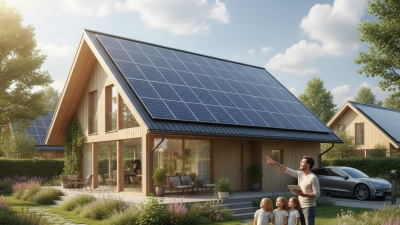
Top Energy Solutions for 2026 What to Expect?
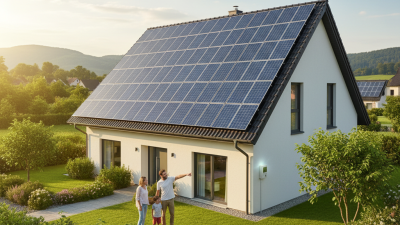
As the world moves closer to 2026, innovative energy solutions are crucial for sustainable development. According to Dr. Emily Carter, a leading expert in renewable energy, "The future of energy solutions lies in integration and adaptability." This highlights the importance of embracing diverse technologies to address energy needs effectively.
The landscape of energy solutions is evolving rapidly. We see advancements in solar, wind, and battery technologies. However, the transition is not without challenges. Many communities still rely on outdated systems. The integration of new solutions can be slow and complex, often requiring significant investment and policy support.
Moreover, as we anticipate 2026, energy solutions must become more inclusive. With a focus on affordability and accessibility, we must consider the specific needs of different regions. This journey calls for innovation and collaboration across sectors. Industry leaders must reflect on their strategies, pushing for more transparency and responsibility in energy practices. Overall, the future demands actionable solutions that prioritize both efficiency and equity.
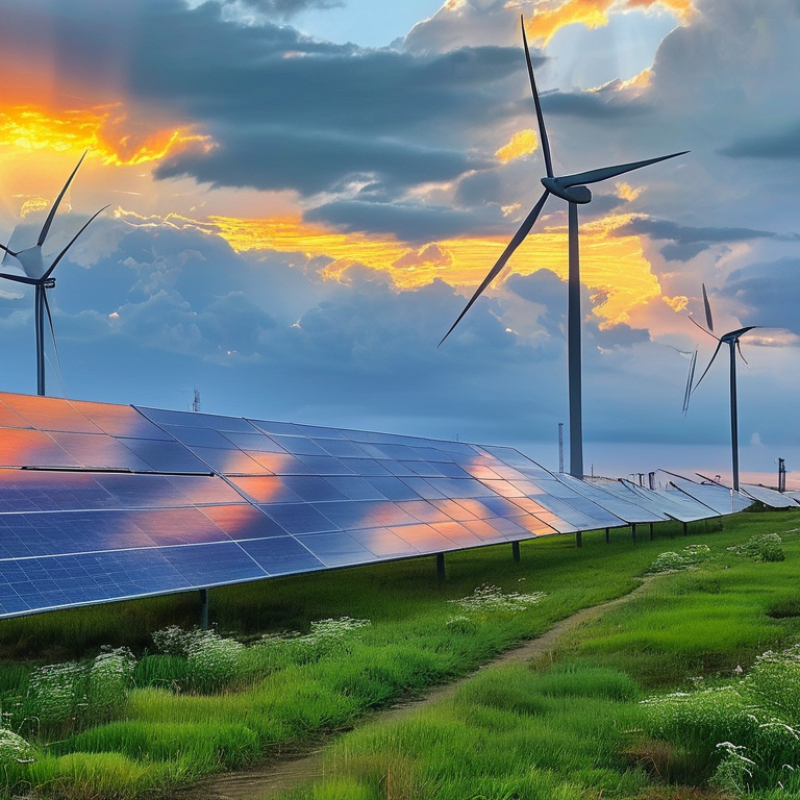
Top Renewable Energy Trends Shaping the Industry by 2026
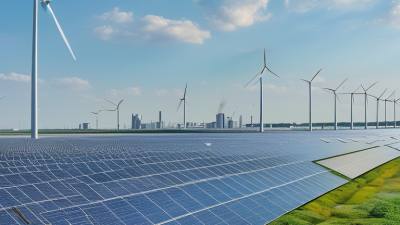
The renewable energy landscape is rapidly evolving, driven by technological advancements and policy shifts. By 2026, solar and wind energy will continue to dominate the renewables market. According to the International Energy Agency, these sources are projected to account for nearly 80% of new power generation capacity. This shift reflects a concerted effort to mitigate climate change and promote sustainable energy solutions.
Energy storage technologies will also play a crucial role. Reports indicate global investments in energy storage are expected to exceed $15 billion by 2026. This growth is essential for balancing supply and demand while enhancing grid reliability. As more renewable sources are integrated, energy storage will become critical for energy security.
However, challenges remain. Transitioning to a fully renewable energy system requires significant infrastructure updates and investment. There are also concerns about supply chain vulnerabilities for critical materials used in solar panels and batteries. Addressing these issues is vital for creating a resilient and sustainable energy future. The transition promises significant benefits, yet careful planning and execution are necessary to overcome potential obstacles.
Projected Growth of Solar and Wind Power Capacity in the Coming Years
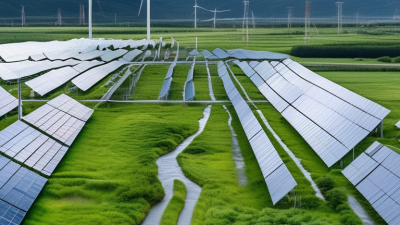
The projected growth of solar and wind power capacity is remarkable. According to the International Energy Agency (IEA), global solar power capacity could reach 2,400 GW by 2026, doubling its 2020 levels. This surge is largely due to declining costs and technological advancements.
Wind power is also on the rise, with capacities expected to hit 1,000 GW by the same year. These numbers signify a significant shift in energy strategies worldwide.
In regions like Europe and North America, investments in renewable energy are accelerating. The U.S. Energy Information Administration (EIA) projects that renewables will account for nearly 50% of new electricity generation sources developed by 2026. Yet, challenges remain. Integrating such volatile sources into existing grids can create instability. Without proper infrastructure, the electricity generated may not reach consumers effectively.
Transitioning to renewable energy often involves a steep learning curve for operators and regulators. Countries have varying levels of experience managing renewable installations. Therefore, sharing best practices and fostering collaboration will be crucial.
Failure to address regulatory barriers can hinder progress. The upcoming years will test the resilience of global energy systems as they adapt to these rapid changes.
Advancements in Energy Storage Technologies and Their Impact on Demand
Advancements in energy storage technologies are shaping the future of energy demand. As we approach 2026, battery innovation is crucial. New chemical compositions in batteries are improving energy density and charging times. These developments are attracting investment and encouraging research.
Energy storage is the backbone of renewable sources. It balances the intermittent supply from solar and wind. Effective storage solutions enhance reliability. Customers can depend on energy even when production dips. This reliability boosts confidence in adopting renewable technologies.
Many users overlook the importance of understanding energy storage. It’s essential to research different battery technologies. Consider factors like lifespan, energy capacity, and environmental impact. Choose the best solution that fits specific needs. Quality storage can lead to significant cost savings over time.
The Role of Smart Grids in Enhancing Energy Efficiency by 2026
As we move toward 2026, smart grids are set to play a pivotal role in enhancing energy efficiency. According to the International Energy Agency, implementing smart grid technologies could lead to a 30% reduction in energy waste. This is critical as global energy consumption is projected to increase by 25% over the next decade. Smart grids use advanced technology to optimize the energy supply, balancing demand and generation in real-time.
One of the key features of smart grids is their ability to integrate renewable energy sources. A report by the World Economic Forum highlights that smart grids can facilitate up to 100% renewable energy integration in some regions. This capability not only supports sustainability but also reduces reliance on fossil fuels. Yet, challenges remain. The transition to smart grids involves substantial initial investment and infrastructure upgrades, which can be daunting for some communities.
Moreover, data security is a pressing concern. As smart grids become more interconnected, they are increasingly vulnerable to cyber threats. A study shows that 40% of utility companies report concerns over potential cyberattacks. While the benefits are clear, ensuring the reliability and security of smart grid systems will require ongoing attention and improvement. As we prepare for 2026, the focus must not only be on efficiency but also on robustness and safety.
Policies and Regulations Driving the Transition to Sustainable Energy Solutions
The transition to sustainable energy solutions in 2026 is heavily influenced by evolving policies and regulations. Governments worldwide are setting ambitious targets to reduce carbon emissions. These goals are driving innovation in renewable energy sectors. Nations are implementing stricter regulations on fossil fuel usage. The urgency to address climate change has never been clearer.
In this landscape, policymakers are prioritizing funding for clean energy projects. Incentives for solar, wind, and geothermal energy are increasing. This shift is opening opportunities for new technologies. However, challenges persist. Inconsistent regulations can create confusion. Companies may struggle to adapt their operations accordingly.
Additionally, public support plays a critical role. Citizens are becoming more aware of environmental issues. Advocacy for stronger regulations is rising. Communities are pushing for transparency and accountability in energy initiatives. It raises questions about equity and access. Who benefits from these changes? Addressing these concerns is vital for a successful transition to sustainable energy.