Top 10 Benefits of a Commercial Solar System for Businesses
In recent years, the adoption of commercial solar systems has surged among businesses. According to a 2022 report by the Solar Energy Industries Association, commercial solar installations increased by 30% from the previous year. This growth reflects a strong commitment to renewable energy and sustainability. The benefits of a commercial solar system extend far beyond mere cost savings.
Businesses can experience significant reductions in their energy bills, with some reporting savings of up to 75%. Moreover, installing solar panels can enhance a company's reputation, as consumers increasingly favor environmentally responsible brands. However, some companies might hesitate due to the initial costs. It's essential to evaluate both short-term investments and long-term gains.
The transition to solar energy involves challenges, including upfront costs and the complexity of installation. Yet, the potential returns are compelling. Companies may find it necessary to adapt their financial strategies to align with these new technologies. Ultimately, a commercial solar system represents not just a shift in energy sourcing, but a broader commitment to sustainable practices in the business landscape.
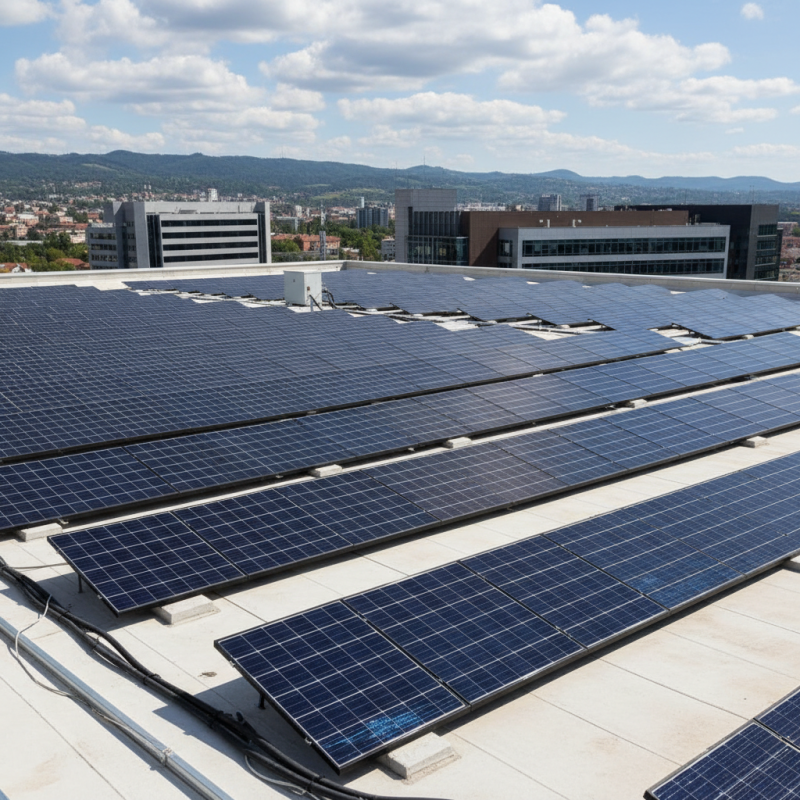
Advantages of Lowering Energy Costs with Solar Systems
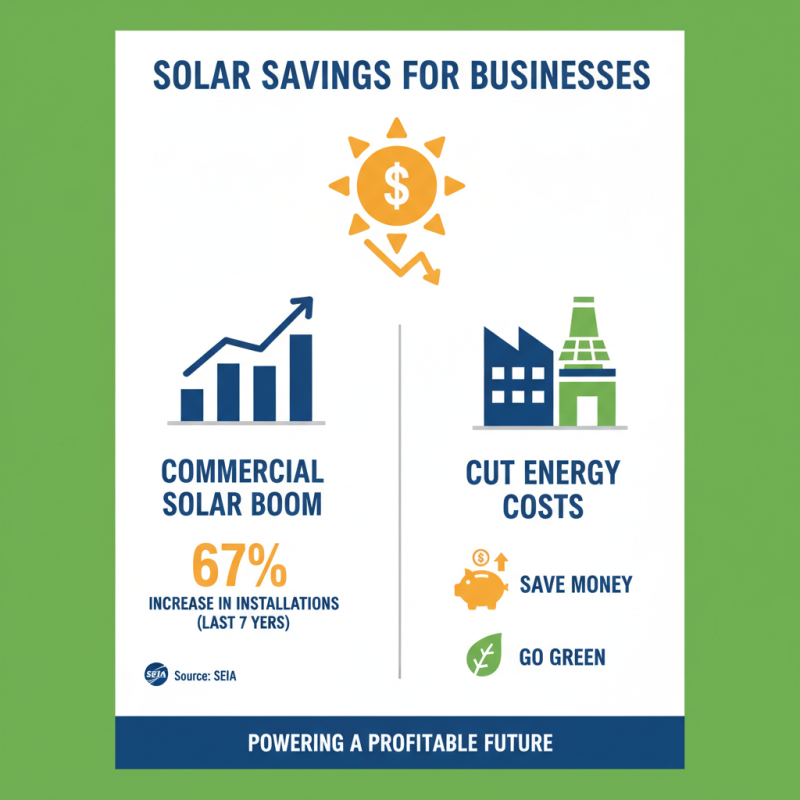
Businesses today face rising energy costs. Solar systems can significantly reduce these expenses. According to the Solar Energy Industries Association (SEIA), commercial solar installations have increased by 67% over the past five years. This boom shows that more companies are recognizing solar's potential to save money.
One report by the National Renewable Energy Laboratory (NREL) suggests that solar energy can cut electricity costs by 75% in certain regions. Imagine a company spending less on power. This shift not only boosts profits but also provides room for reinvestment. Many companies can expect a return on investment within five to seven years through these savings.
However, the transition to solar requires upfront capital. Not all businesses can manage this financial hurdle. Installation complexities and maintenance concerns also pose challenges. Evaluating long-term benefits versus initial costs can be quite a puzzle. Balancing these factors is crucial for a successful solar transition. Solar energy does provide a clear path to lower energy expenses, but it's not without its hurdles.
Boosting Brand Image and Attracting Eco-Conscious Consumers
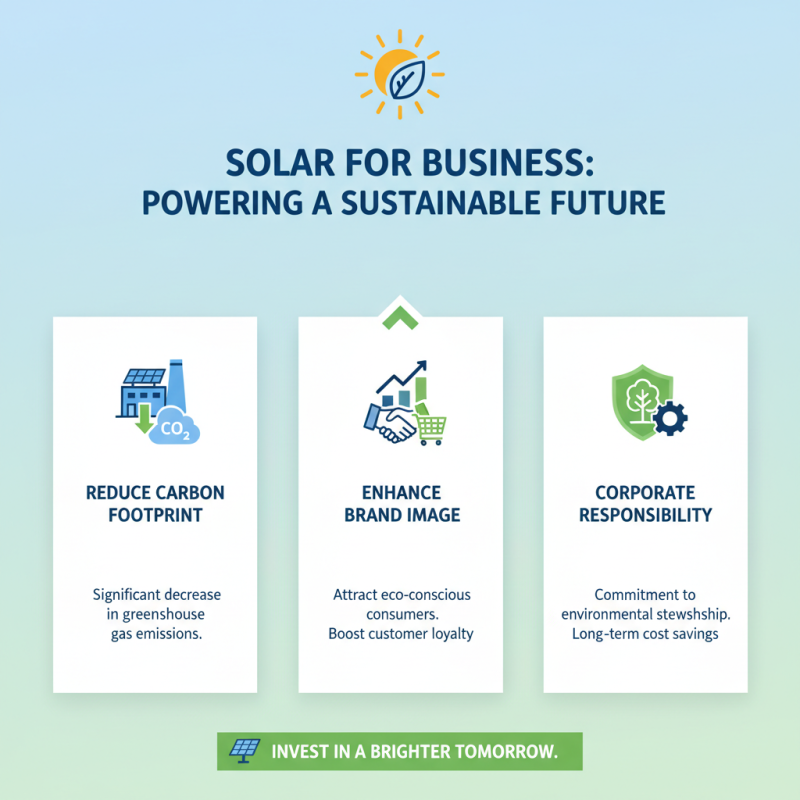
Adopting a commercial solar system can significantly enhance a brand's image. Businesses that use solar energy often appear more forward-thinking. Consumers are increasingly looking for sustainability in their purchasing decisions. A commitment to renewable energy sets a brand apart in a crowded market. Companies showcasing their solar use appeal to eco-conscious consumers. This connection fosters customer loyalty and strengthens brand identity.
However, integrating solar solutions comes with challenges. Initial costs can be high. Businesses may face installation hurdles or maintenance issues. It's essential to evaluate the long-term benefits versus short-term expenses. Some brands may rush into solar adoption without a clear strategy. This can lead to wasted resources and unrealized goals. Balancing environmental responsibility with practical considerations is crucial. Thoughtful planning ensures that the investment in solar is both beneficial and sustainable.
Increased Energy Independence and Resilience for Businesses
A commercial solar system offers significant benefits for businesses, especially in terms of energy independence and resilience. By investing in solar energy, companies can reduce their reliance on traditional power sources. This shift creates a more reliable energy supply, shielding businesses from fluctuating electricity prices. In an era of unpredictable energy markets, businesses can feel more secure in their operations.
Solar systems can enhance resilience against power outages and grid failures. For instance, during severe weather events, businesses with solar panels can continue operations without interruption. This reliability is crucial for companies that cannot afford downtime. However, it's important to acknowledge that transitioning to solar isn't always smooth. Businesses may face initial costs and technical challenges in installation and maintenance.
Some may find the learning curve steep when it comes to managing new technology. Adopting solar can require adjustments in operations and energy management strategies. Businesses must engage with staff and stakeholders to ensure a successful transition. Reflecting on these challenges can help companies better prepare for the future while enjoying the advantages of energy independence. This blend of commitment and strategic planning is what makes solar an appealing option for many.
Access to Incentives and Tax Benefits for Solar Investments
Commercial solar systems offer significant financial advantages through various incentives and tax benefits. Many businesses can benefit from the federal investment tax credit (ITC), which allows them to deduct a portion of their solar investment from their federal taxes. According to the Solar Energy Industries Association, the ITC currently provides a 26% tax credit for installations completed by the end of 2022. This boosts cash flow significantly and encourages long-term investments in clean energy.
In addition to federal incentives, many states offer their own tax credits and rebates. For instance, California provides various local programs that can lower installation costs by 20% or more. Companies must research these opportunities thoroughly, as they can vary widely by location. However, potential changes in legislation can create uncertainty, making it crucial for businesses to remain flexible and informed about evolving incentives.
Moreover, the benefits extend beyond financial incentives. A solar system can enhance a company’s reputation as an environmentally conscious entity. This can attract eco-minded customers. Despite these advantages, initial investments can be daunting. Businesses should weigh potential risks and challenges involved in securing financing and navigating regulations. It’s a balance of risk and reward that demands careful consideration.
Top 10 Benefits of a Commercial Solar System for Businesses
| Benefit |
Description |
Estimated Savings / Year |
| Reduction in Energy Bills |
Solar systems can significantly lower electricity bills for businesses by generating free energy. |
$10,000 |
| Tax Credits |
Businesses can take advantage of tax credits like the Investment Tax Credit (ITC) for solar investments. |
$25,000 |
| Increased Property Value |
Installing solar panels can increase the value of a business's property. |
$15,000 |
| Energy Independence |
Solar energy reduces dependence on fossil fuels and fluctuating energy prices. |
N/A |
| Low Operating Costs |
Solar systems require minimal maintenance, leading to low operational expenses. |
N/A |
| Government Incentives |
Many local and state governments offer incentives for solar system installations. |
$5,000 |
| Enhanced Brand Image |
Utilizing solar energy improves company reputation and attracts eco-conscious customers. |
N/A |
| Job Creation |
Solar installations create jobs in manufacturing, installation, and maintenance. |
N/A |
| Environmental Impact |
Solar energy reduces greenhouse gas emissions and promotes sustainability. |
N/A |
| Long-term Investment |
Solar systems provide long-term financial benefits and energy security for businesses. |
$30,000 |