How to Purchase Residential Solar Panels for Your Home?
As the demand for clean energy rises, residential solar panels are becoming a viable option for many homeowners. Industry expert Dr. Emma Larson, a solar energy researcher, emphasizes, "Adopting residential solar is not just a trend; it's a necessity for sustainable living." This sentiment reflects the growing awareness of environmental issues and the potential savings on energy bills.
Purchasing residential solar panels involves careful consideration. Homeowners must evaluate their energy needs and local regulations. Different systems provide varying benefits, and not all solutions fit every home. Costs, installation, and long-term savings are crucial factors to ponder.
While the benefits of going solar are clear, the journey can bring challenges. Misunderstood technologies and misleading information can complicate decisions. Each step should be approached with thoughtfulness and informed expertise. Understanding your unique situation and gathering authoritative insights will pave the way to a successful purchase of residential solar panels.
Understanding the Basics of Residential Solar Panels
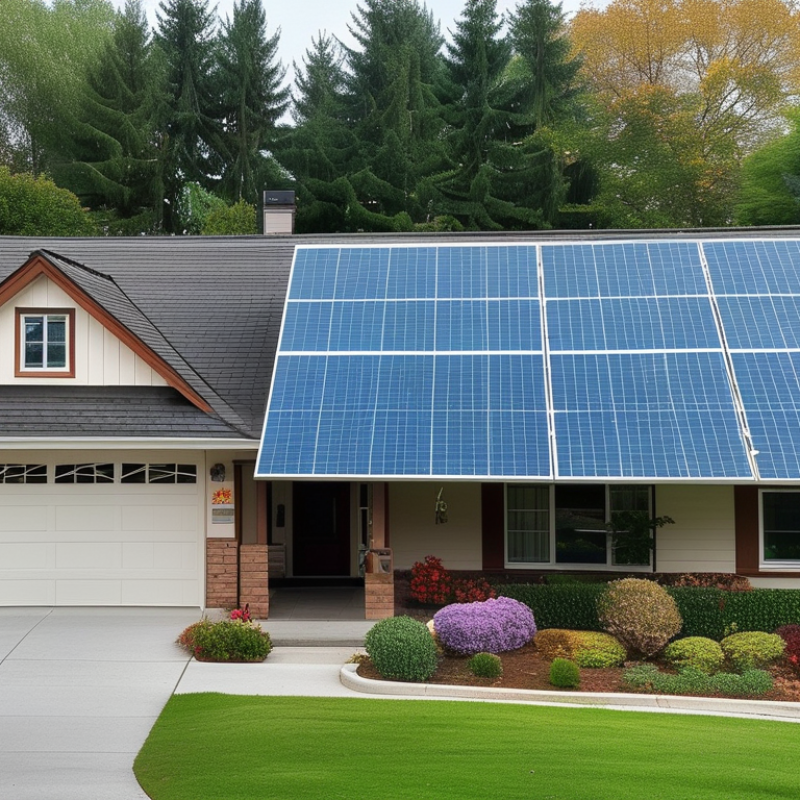
When exploring residential solar panels, understanding the basics is crucial. Solar panels convert sunlight into electricity, making them a smart choice for energy savings. According to the Solar Energy Industries Association (SEIA), in 2021, U.S. installations grew 19% year-over-year, indicating a rapidly evolving market.
The efficiency of solar panels is a key factor. Most panels convert 15-22% of sunlight into usable energy. The higher the efficiency, the more energy produced. However, the initial cost can be daunting. Reports suggest average installation costs range from $15,000 to $25,000 before incentives. It's essential to weigh these costs against long-term savings.
Many buyers overlook maintenance needs. Although solar panels are relatively low-maintenance, regular cleaning and inspections are vital. Failing to do so can reduce efficiency over time. Understanding warranties can help too. Most panels come with 25-year warranties, but understanding terms is important. If not, you may miss out on benefits.
Evaluating Your Home's Suitability for Solar Energy
Evaluating your home’s suitability for solar energy involves several key factors.
First, consider the solar potential of your roof.
A south-facing roof typically receives the most sunlight, making it ideal for solar panels. According to the National Renewable Energy Laboratory (NREL), roofs that receive six or more hours of sunlight daily are often good candidates.
However, shading from trees or other structures can significantly reduce efficiency.
Next, assess your energy needs.
The average American household consumes about 877 kWh per month, according to the U.S. Energy Information Administration.
This figure can help determine the number of panels required.
Additionally, consider your local climate.
Areas with more sunny days will yield higher energy generation, but the efficiency of solar panels can drop in extreme heat.
Reflect on whether your home’s energy consumption aligns with solar output in your region.
Lastly, think about your roof’s condition.
If it requires repairs or replacement, consider these costs before installation.
A roof with a lifespan of 15-20 years will maximize your investment in solar energy.
Engaging a professional for a solar site assessment can fine-tune these evaluations, ensuring a thorough understanding of your solar potential.
Exploring Financing Options for Solar Panel Installation
When considering residential solar panels, exploring financing options is crucial. Many homeowners feel overwhelmed with the costs. However, there are multiple approaches to make solar energy more accessible.
One popular option is a solar loan. This allows you to pay for the panels over time. Monthly payments can be manageable, especially if you align them with energy savings. Another possibility is a power purchase agreement (PPA). With a PPA, you pay for the electricity the panels generate rather than the panels themselves. This can ease upfront costs.
Tips: Research local incentives. Some regions offer grants or tax credits for solar installations. It can help lower your overall costs. Always compare interest rates on loans. A small difference can lead to significant savings over time. Remember the importance of reading reviews on financing options. This can help you avoid pitfalls. Not all lenders offer the same terms. Being informed makes a huge difference.
How to Purchase Residential Solar Panels for Your Home? - Exploring Financing Options for Solar Panel Installation
| Financing Option |
Description |
Pros |
Cons |
Typical Interest Rate |
| Cash Purchase |
Paying the full amount upfront. |
No monthly payments; lowest overall cost. |
Requires significant upfront capital. |
N/A |
| Solar Loans |
Loans specifically for solar equipment purchase. |
Low interest rates; ownership benefits. |
Monthly payments required; debt obligation. |
4% - 8% |
| Leasing |
Renting solar panels with fixed monthly payments. |
Lower upfront cost; maintenance usually covered. |
No ownership; limited tax benefits. |
N/A |
| Power Purchase Agreement (PPA) |
Paying for solar energy generated rather than the equipment. |
No upfront cost; predictable energy costs. |
No ownership; can be long-term commitment. |
N/A |
| Tax Credit Financing |
Using the federal tax credit to reduce loan amounts. |
Substantial savings; promotes ownership. |
Requires tax liability; not available to everyone. |
N/A |
Researching and Selecting a Reputable Solar Installer
Selecting a reputable solar installer is crucial for your residential solar panel project. Start by seeking recommendations from friends or family who have already made the switch. Their experiences can provide valuable insights. Online reviews also play a significant role. Look for feedback that discusses installation quality and customer service.
Once you have a shortlist, evaluate their credentials. Check for proper licenses and certifications. A reliable installer should have experience in your region. This knowledge helps them navigate local regulations and incentives. Ask about their experience with similar projects. You want someone who understands your specific energy needs and home layout.
Communication is key in this process. During initial meetings, gauge how well they listen to your questions. A good installer should provide clear answers without jargon. It’s also essential to obtain detailed quotes. Look for transparency in costs and timelines. If their proposal feels vague, it may be a red flag. Reflect on these aspects to find the right fit for your solar journey.
Navigating the Permitting and Installation Process for Solar Panels
Purchasing residential solar panels is a significant decision that involves careful navigation of permitting and installation processes. Many homeowners overlook the complexity of local regulations. According to the Solar Energy Industries Association (SEIA), over 70% of solar projects are delayed due to permitting issues. Understanding your local requirements is crucial.
Research the specific permits required in your area before anything else. This can include building permits, electrical permits, and possibly zoning approvals. Small towns may have different requirements than urban areas, impacting your timeline. Always check with local authorities for exact guidelines.
Tips: Consult with professionals who have experience in navigating these processes. They can provide valuable insights into what local agencies expect and how to avoid common pitfalls.
Post-approval, the installation phase also presents challenges. Proper installation ensures system efficiency and longevity. Weekly scheduling updates might be necessary, as weather can disrupt timelines. Potential time overruns and miscommunication can lead to frustrations. Make sure to maintain open lines of communication with your installer.
Tips: Take the time to read online reviews or talk to previous customers. Gaining insights from their experiences can help you make an informed choice. Understanding installation dynamics prepares you for an effective solar transition.