How to Maximize My Solar Energy Usage at Home?
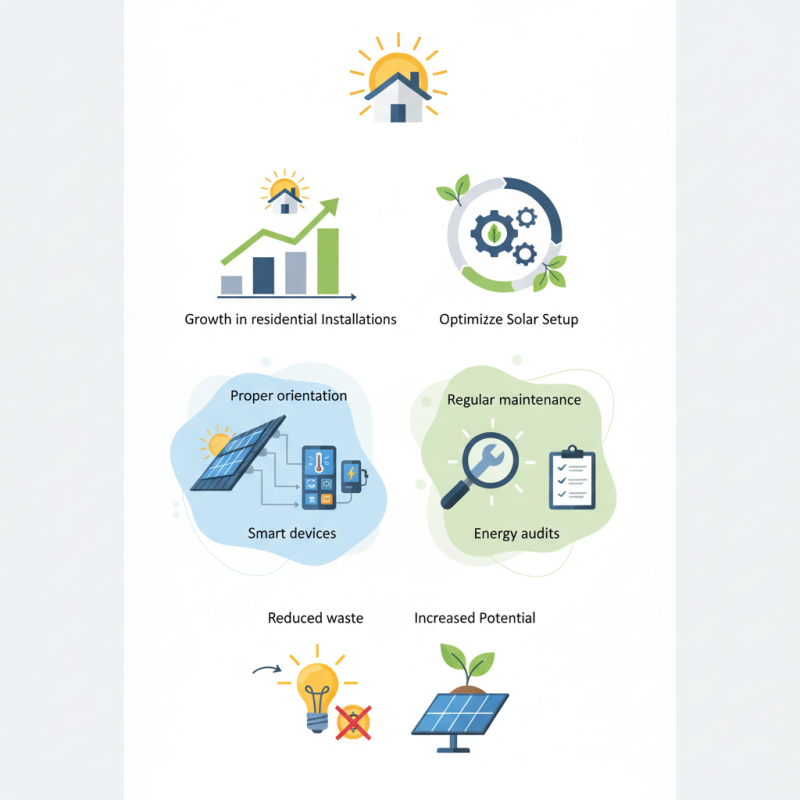
As more homeowners embrace solar technology, maximizing "my solar energy" usage becomes essential. According to a report by the Solar Energy Industries Association (SEIA), the U.S. has seen a 167% increase in residential solar installations over the past five years. This growing trend highlights the need for effective energy management at home.
Expert in renewable energy, Dr. Sarah Johnson, emphasizes, "Optimizing your solar setup is the key to sustainable living." With this in mind, many seek ways to improve energy efficiency. Simple measures, like properly orienting solar panels and investing in smart home devices, can greatly enhance energy utilization.
Many homeowners overlook aspects of their solar systems. It is not enough to simply install panels. Regular maintenance and energy audits are crucial. The reality is that underutilized solar energy can lead to wasted potential and increased costs. Reflecting on these details can guide homeowners toward better energy practices.
Understanding Solar Energy Basics for Home Use
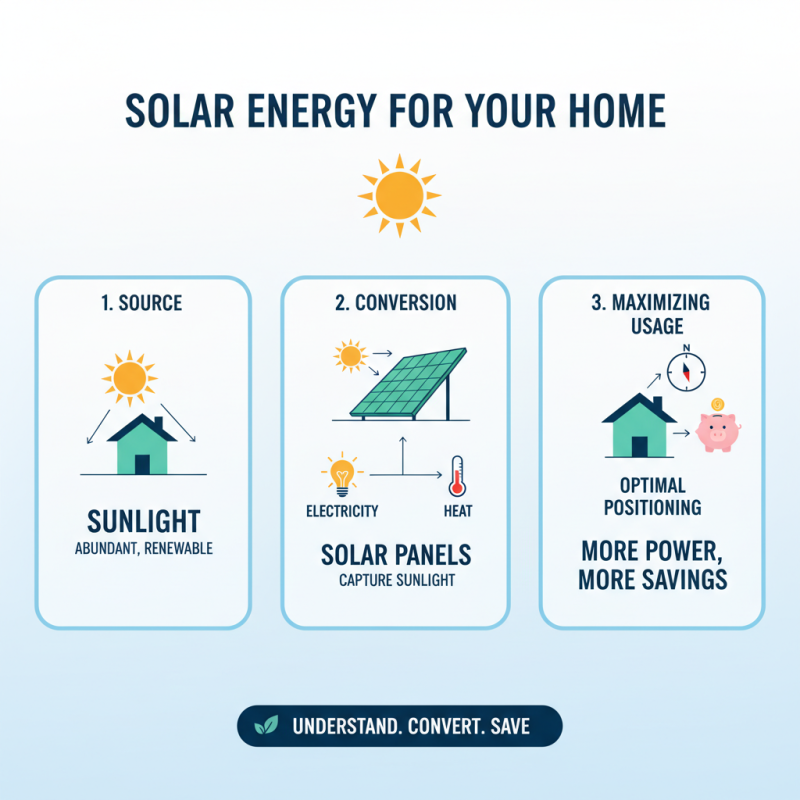
Understanding solar energy is key to home usage. Solar energy comes from sunlight. It can be converted into electricity or heat. This process involves solar panels, which capture sunlight. If positioned correctly, these panels can maximize energy capture.
Tips: Ensure your panels face south. This orientation receives the most sunlight. Regularly clean the panels too. Dust and debris reduce efficiency. Check shading from trees or buildings. This can block sunlight and lower energy production.
It’s important to know your energy needs. The total sunlight available varies daily. Think about seasonal changes as well. In winter, days are shorter. In summer, long sunny days help. Having a battery can store extra energy. This stored energy can be useful when the sun isn’t shining. Adjusting usage habits is also crucial. Turn off unused lights and appliances to improve efficiency.
Evaluating Your Home’s Solar Energy Potential
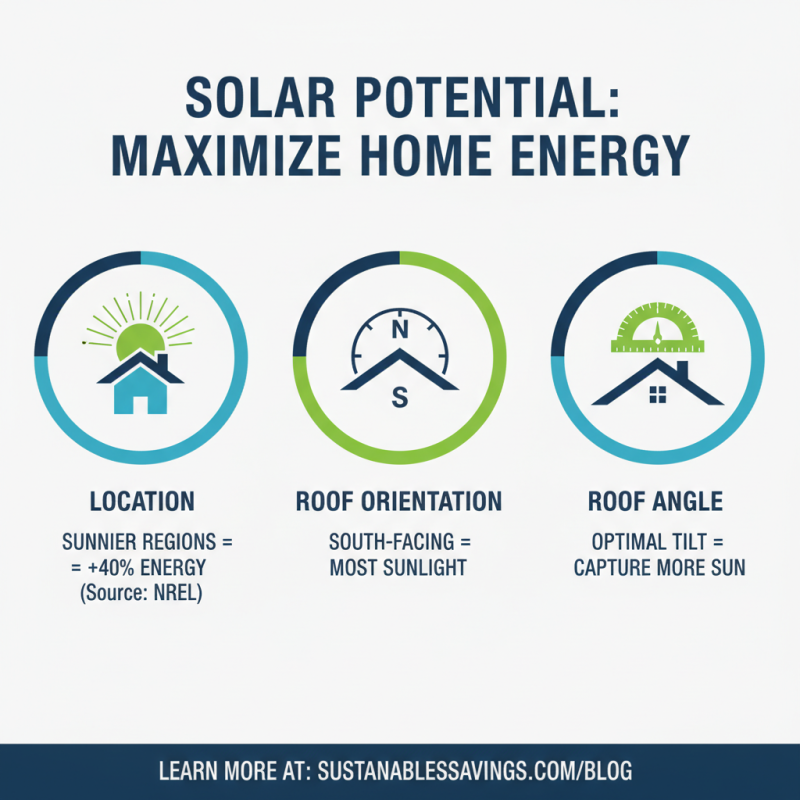
Evaluating your home’s solar energy potential is crucial for maximizing solar energy usage. Begin by assessing your location. The National Renewable Energy Laboratory states that homes in sunnier regions can produce 40% more energy than those in shaded areas. Consider your roof's orientation and angle. South-facing roofs typically gain the most sunlight throughout the day.
Identify any obstructions that might block sunlight. Trees, tall buildings, or even your own home's architecture can cast shadows. Performing a year-long observation can reveal how much direct sunlight your roof actually receives. The Solar Energy Industries Association recommends measuring the exposure during different seasons for a comprehensive view.
Tips: Use an online solar calculator for a quick evaluation. It factors in your location and roof characteristics. Additionally, consult with a professional to identify specific energy needs. Their insights can help you determine the right system size. Lastly, consider energy efficiency upgrades. Insulating your home better can significantly reduce your energy consumption, making solar energy even more effective. Small improvements might make a big difference.
Strategies for Maximizing Solar Energy Efficiency
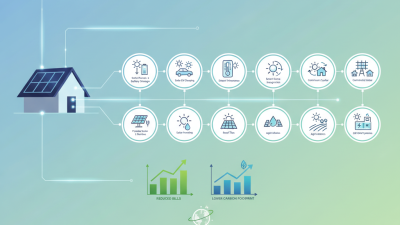
Maximizing your solar energy efficiency at home involves practical strategies that can lead to significant savings. Start by optimizing your solar panel placement. Angling your panels towards the sun will enhance energy capture. Consider the seasonal changes in sunlight. Adjustments might be necessary as seasons shift, so, check the angles regularly.
Energy storage is crucial. Invest in a battery system to store excess energy. This allows you to use solar power during cloudy days or at night. However, a high-capacity battery can be expensive. It’s worth reflecting on whether the investment aligns with your energy needs. Additionally, monitor your energy consumption. Identify peak usage times. Adjust your daily habits to match solar production.
Landscaping also plays a role. Planting trees can provide shade, but be mindful of potential blockage. A poorly placed tree can hinder solar gain. Regular maintenance of your equipment ensures optimal performance. Clean your panels from dust and debris. Neglecting this step can lead to reduced efficiency. Balancing aesthetics and functionality is part of the journey.
How to Maximize My Solar Energy Usage at Home? - Strategies for Maximizing Solar Energy Efficiency
| Strategy |
Description |
Estimated Efficiency Increase (%) |
Implementation Cost ($) |
| Proper System Orientation |
Adjust panels to face true south for optimal sun exposure. |
15 |
200 |
| Regular Maintenance |
Clean panels and check connections to ensure they are functioning properly. |
10 |
100 |
| Energy Storage System |
Install batteries to store excess energy generated for use during low sunlight. |
20 |
4000 |
| Smart Energy Management |
Use apps and systems to manage energy use during peak sunlight hours. |
12 |
150 |
| Solar Water Heating |
Utilize solar thermal panels to heat water for domestic use. |
18 |
3000 |
Integrating Energy Storage Solutions for Optimal Use
Integrating energy storage solutions at home can significantly enhance your solar energy usage. Solar panels generate energy during the day, but this power often goes unused in the evenings. By installing an energy storage system, you can store excess energy produced during sunlight hours. This allows you to access your own solar energy at night or during cloudy days.
Choosing the right storage solution is not straightforward. Various options exist, and each involves different costs and efficiencies. Lithium-ion batteries are popular, but they can be expensive. Alternative systems, like flow batteries or lead-acid options, might be more affordable but could lack longevity or efficiency. Evaluating these choices requires research and sometimes, trial and error.
Monitoring your energy consumption is essential. Consider your household's daily energy needs. Track which appliances consume the most power. Understanding your usage patterns can help optimize how you utilize stored solar energy. Adjustments may be necessary to find the right balance. Researching your solar production continuously can help identify areas for improvement. This iterative approach can lead to greater energy independence.
Monitoring and Adjusting Your Solar System Performance
Monitoring your solar system performance is crucial for maximizing energy usage. Installing a monitoring system can help you track how much energy your panels produce. This data is important for identifying patterns. If energy output drops, it could mean your panels are dirty or there’s an issue with the inverter. Regular checks help catch problems early.
Adjusting your habits can also enhance solar energy usage. For example, running appliances during peak sunlight hours can make a difference. However, many people forget this simple tip. Even small adjustments in timing can lead to significant energy savings. Sometimes, it requires discipline to shift routines. You may need to reflect on habits that waste energy.
Understanding your usage patterns is essential. Some homeowners are surprised by their energy consumption. Identifying high-use appliances can lead to smarter choices. Consider switching to energy-efficient devices when possible. All these steps create a more effective solar energy system. Balancing production and consumption is still a challenge for many. Reflection is key to improving solar energy usage.