How to Maximize My Solar Energy Savings and Efficiency?
Maximizing my solar energy savings and efficiency is essential for sustainable living. Many homeowners overlook vital steps in this process. It’s not just about installing panels. Understanding how to optimize their performance matters more.
To enhance my solar energy, I must consider various factors. Location plays a crucial role. Is my roof angled correctly? Are there obstructions from trees or buildings? Additionally, I need to regularly maintain the panels. Dust and debris can reduce their effectiveness. Neglecting this can lead to wasted potential.
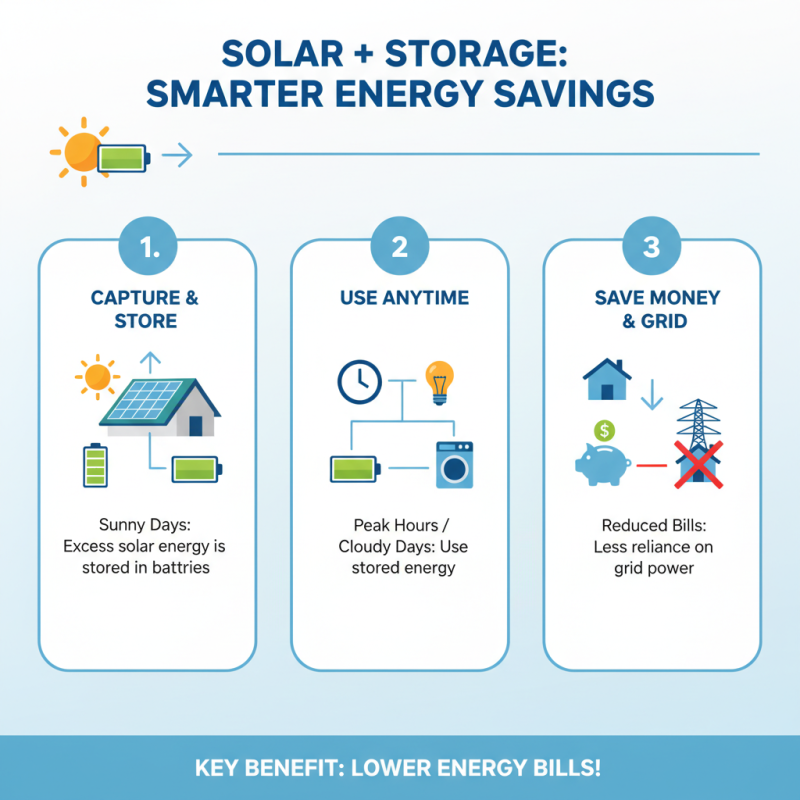
Moreover, understanding energy storage is vital. Battery systems can help store excess energy. This allows for usage during peak hours or cloudy days. However, these systems can be expensive. Evaluating if it fits my budget is essential. Reflecting on these aspects will lead to better decisions for my solar energy journey.
Understanding Solar Energy Savings: Key Metrics and Data
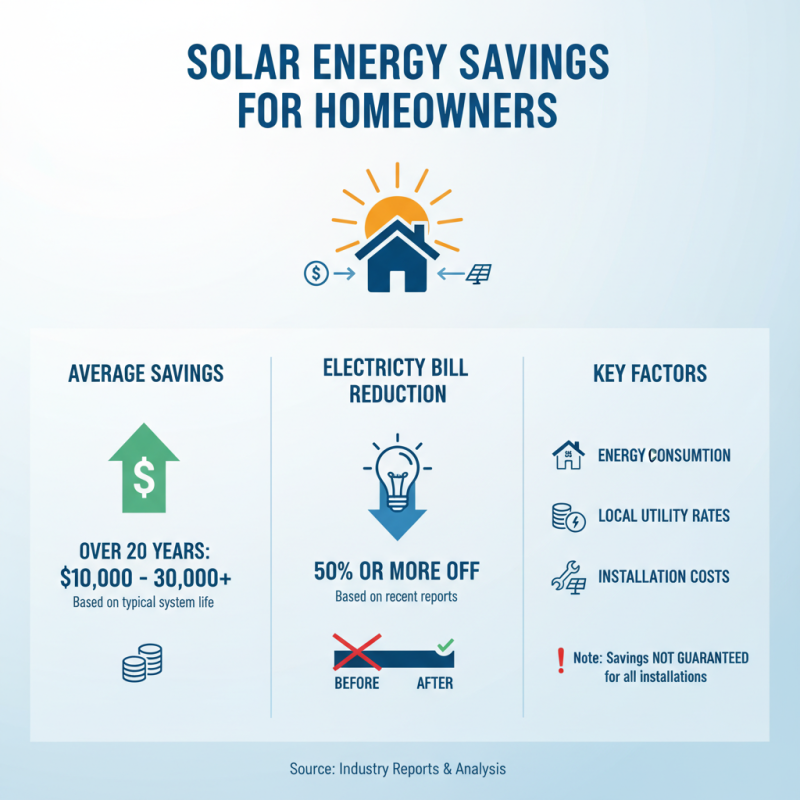
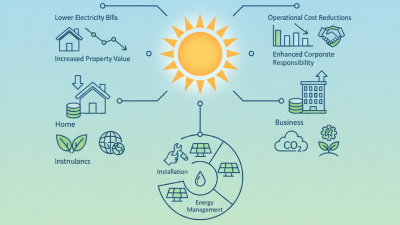
Understanding solar energy savings is crucial for homeowners. The average savings from solar panels can range from $10,000 to $30,000 over 20 years. This figure varies based on energy consumption, local utility rates, and installation costs. According to a recent report, homes with solar systems can see their electricity bills drop by 50% or more. However, not all installations guarantee these savings.
Tip: Assess your energy usage. Identify peak hours. Energy consumption during these times influences savings the most.
Key metrics play a vital role in understanding your solar savings. The solar payback period, typically 5 to 15 years, indicates when your system generates net savings. Monitoring performance metrics like solar production and efficiency can help you decide if the system is underperforming. If production is low, it may require maintenance or a system check.
Tip: Regularly clean your panels. Dust and debris can reduce efficiency by up to 20%. Don't overlook this simple task.
Investing in solar energy requires careful consideration. A system that works in one region may not yield the same results in another. Policies and incentives can change, impacting your long-term savings. It's essential to stay informed and reconsider your strategy periodically.
Selecting the Right Solar System for Maximum Efficiency
Selecting the right solar system is crucial for maximizing efficiency and savings. Start by assessing your energy needs. Calculate your average monthly electricity consumption. This data helps you choose a system that can meet your demand. A system too large wastes your investment. One too small will not generate enough energy.
Consider the solar panel type. Monocrystalline panels are efficient but more costly. Polycrystalline panels are affordable but slightly less efficient. Assess your budget and space. Smaller installations may rely on higher efficiency options. This decision impacts long-term savings.
Installation angle and orientation also matter. A south-facing roof often yields the best results. However, not every home has ideal conditions. If your roof is shaded, speak to a professional about alternatives. They may suggest ground-mounted systems or solar carports.
Remember, maximizing savings takes careful planning and regular evaluation. Keep assessing your energy usage and system performance. Adjust your habits if necessary to align with your solar goals.
The Role of Energy Storage in Enhancing Solar Savings
Energy storage plays a crucial role in maximizing solar energy savings. By using batteries, homeowners can store excess energy generated during sunny days. This stored energy can be utilized during peak hours or cloudy days, reducing dependence on the grid. It’s a straightforward way to keep energy bills low.
However, energy storage systems can be costly and require maintenance. Not every home has the space for large battery systems. It's essential to evaluate your energy needs before investing. Some users may find themselves with too little storage, while others might overestimate their requirements. Finding the right balance is key.
Moreover, not all storage solutions are created equal. Different battery technologies offer varying efficiencies and lifespans. Homeowners must research options carefully. Understanding the limitations and potential failures of these systems is important. A well-informed decision can lead to substantial savings and a more efficient solar setup. Yet, this process often requires time and patience.
Optimizing Solar Incentives and Tax Credits: What You Need to Know
When maximizing savings with solar energy, understanding incentives and tax credits is essential. There are federal, state, and local programs designed to reduce costs. The federal solar tax credit can cover a significant portion of installation expenses. For some homeowners, this amounts to thousands of dollars. State programs often include rebates or performance-based incentives, varying greatly by location.
Engaging with local incentives can be crucial. Many homeowners overlook these opportunities, missing additional savings. Researching your area is vital. Some municipalities offer property tax exemptions for solar systems. This could lead to long-term financial benefits. Not every incentive will be relevant, though. Reflect on what applies to you and plan accordingly. It's easy to feel overwhelmed by the options available. Prioritize what suits your situation best.
You might miss out on valuable programs if you don’t stay informed. Misunderstanding eligibility can lead to frustration. Regularly review your state’s energy department or resources. This ensures you don't let potential savings slip through your fingers. Embracing efficiency measures alongside incentives will enhance your overall savings. It requires continuous effort and attention. Each step can lead to a brighter, more efficient future.
Routine Maintenance: Ensuring Long-Term Solar Energy Performance
Routine maintenance is vital for maximizing solar energy savings and efficiency. Regular inspections keep your solar panels clean and functional.
Dust, dirt, and debris can significantly reduce energy output. A study found that unclean panels can lose up to 25% of their energy generation potential. Considering the high costs of solar installations, this loss can be substantial.
Monitoring system performance is essential too. Check inverter functionality and power output regularly. Many homeowners overlook small issues. A slight malfunction can lead to significant energy loss over time. Data suggests that systems with routine checks perform 15% better than those without. Track your production data and address any dips proactively.
While maintenance requires time and resources, it pays off. Neglecting your system can lead to expensive repairs down the line. Be proactive, as a minor issue can escalate quickly. Solar energy is an investment; protecting it should be a priority. Regular maintenance ensures it stays efficient and cost-effective for years to come.