Why is Green Energy Solar Important for a Sustainable Future?
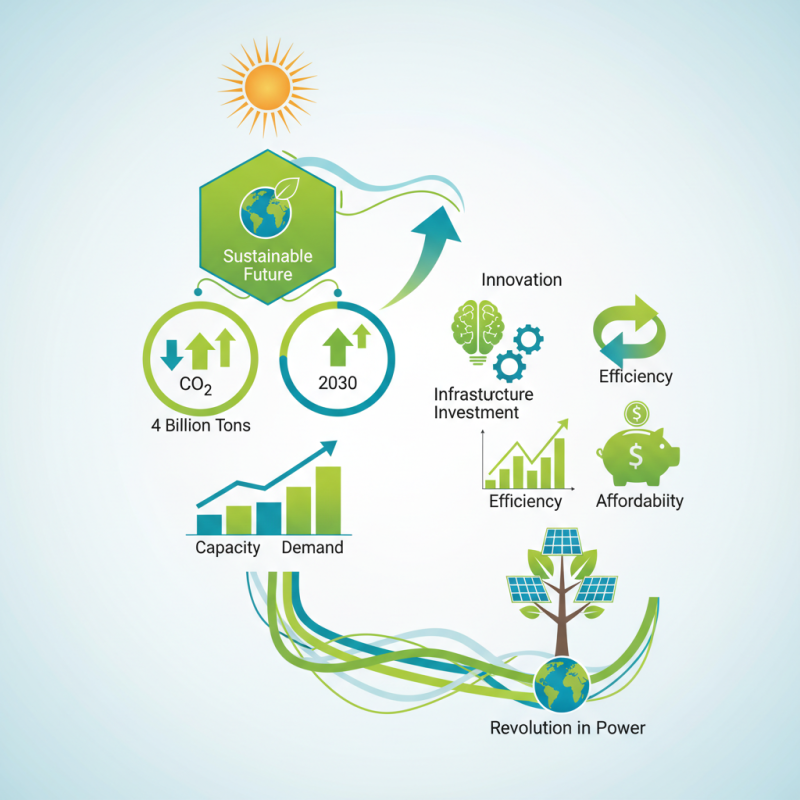
The growing importance of green energy solar in our world cannot be overstated. As climate change becomes a pressing concern, renewable energy sources like solar power are essential. According to the International Energy Agency, solar power can reduce global CO2 emissions by over 4 billion tons per year by 2030. This statistic highlights how vital green energy solar is for a sustainable future.
Experts in the industry are taking notice. Dr. Emily Johnson, a key figure in renewable energy research, states, "Solar energy is not just a resource; it's a revolution in how we think about power." Her statement encapsulates the transformative potential of green energy solar. However, the shift to solar energy faces challenges. For instance, infrastructure investment is still lagging behind, and some communities struggle with access.
Moreover, while solar capacities are increasing, global demand often outpaces supply. This imbalance underlines the need for continuous innovation and investment in green energy solar technologies. Emphasizing efficiency and affordability is crucial as we aim for sustainability. Balancing these factors will determine how effectively we harness the benefits of solar energy moving forward.
The Role of Solar Energy in Reducing Carbon Emissions Globally
Solar energy plays a pivotal role in addressing climate change. It reduces carbon emissions significantly. In fact, harnessing sunlight can cut down greenhouse gases effectively. The technology is evolving, making it more accessible every day. Solar panels can be installed on rooftops and vacant lands. This makes it easier to integrate into urban settings.
However, it's important to reflect on the challenges. The initial costs can be daunting for many. Not everyone has the financial means to invest in solar solutions. Additionally, solar energy production depends on sunlight availability. This creates a disparity between different regions and seasons. Some areas may not receive enough sunlight, limiting their potential.
Moreover, recycling solar panels is still a developing issue. The industry lacks comprehensive plans for end-of-life management. This raises environmental concerns if not addressed properly. Community engagement is vital. Educating people about the benefits and drawbacks is essential. Embracing solar energy requires commitment and understanding from everyone involved.
Current Trends in Solar Energy Adoption and Capacity Growth Worldwide
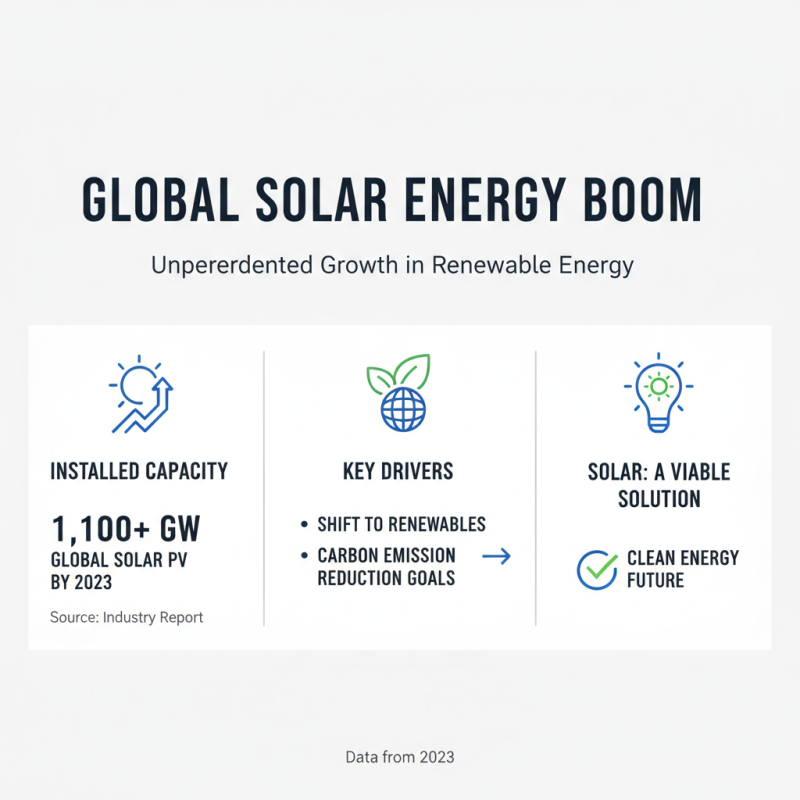
The solar energy sector is witnessing unprecedented growth. By 2023, global installed solar photovoltaic (PV) capacity reached over 1,100 gigawatts (GW). This increase reflects a strong shift towards renewable energy. Many countries are boosting their commitments to reduce carbon emissions. Solar energy stands out as a viable solution.
In 2022 alone, solar energy accounted for around 20% of total electricity generation in several regions. The International Energy Agency (IEA) predicts that solar capacity could double by the end of the decade. This growth, however, isn't uniform. Some regions lag in investment and infrastructure. This disparity raises concerns about energy equity.
Challenges remain. Integrating solar into existing grids is complex. Technological advancements are essential for improved efficiency and storage. While the potential is enormous, public and private sectors must collaborate more effectively. The future's promise relies on overcoming these hurdles.
The Economic Benefits of Solar Energy for Communities and Industries
Solar energy plays a crucial role in building sustainable communities and industries. According to recent reports, solar energy has become a major player in the energy market. The International Energy Agency states that solar power could cover up to 25% of global electricity needs by 2050. This shift not only helps reduce carbon emissions but also boosts local economies.
Communities investing in solar energy can see significant economic benefits. Studies show that solar installations create jobs. In 2022, the solar industry employed over 250,000 people in the U.S. This growth fosters innovation and drives technology advancements, supporting the economy. Local governments can also benefit from increased tax revenues with new solar projects.
Tips: Consider participating in community solar initiatives. They can make solar energy accessible for everyone. Stay informed about local policies that promote solar development. Embrace these changes for economic growth.
While solar energy offers many advantages, challenges remain. Not all communities have the same access to resources for solar projects. Diversity in financial capability can create discrepancies. Assessing infrastructure readiness is crucial. Each community's journey toward solar energy requires tailored approaches for success.
Technological Innovations Driving Solar Energy Efficiency and Cost Reduction
Technological innovations are reshaping the solar energy landscape. These advancements enhance both efficiency and affordability. New materials are emerging, allowing solar panels to absorb sunlight more effectively. Improvements in energy storage also contribute to better performance. However, the challenge lies in integrating these technologies on a large scale.
Solar energy efficiency is crucial for a sustainable future. By reducing costs, solar becomes accessible to more people. This increases adoption rates globally. Yet, the transition isn't without obstacles. Quality control issues can arise with rapid innovations. Additionally, some technologies may not yet be viable for widespread use.
There is still much to learn. Research is ongoing, and some innovations have yet to demonstrate long-term reliability. It's important to remain cautious and thoughtful as we move forward. Progress should not come at the expense of safety. Embracing these advancements, while addressing potential risks, will guide us toward a more sustainable future.
The Long-Term Environmental Impacts of Shifting to Solar Energy Solutions
Shifting to solar energy is vital for a sustainable future. Solar power significantly reduces carbon emissions. Unlike fossil fuels, it generates clean energy. This can lower air pollution levels, benefiting health. Many communities can enjoy cleaner air and a healthier environment. However, transitioning is not without its challenges.
The production of solar panels has environmental costs. Mining for materials can disrupt ecosystems. Waste management is another concern. Old solar panels may end up in landfills. We must find better recycling solutions. There are gaps in technology and policy that need addressing.
Investing in solar energy can drive innovation. With advancements, we can improve efficiency and reduce waste. Companies are exploring more sustainable materials for solar panels. This has the potential to lessen the negative impacts. The road to a greener future requires careful planning. Balancing progress with responsibility is essential.
Importance of Solar Energy for a Sustainable Future