How to Efficiently Use Home Solar Power for Your Energy Needs?
Home solar power is becoming essential for many households. According to Dr. Emily Chen, a leading expert in the renewable energy sector, "Maximizing home solar power requires both technology and strategy." Her insight highlights the importance of using solar panels efficiently.
Utilizing home solar power can significantly reduce energy bills. However, many homeowners struggle with maximizing their systems. The right combination of solar panel placement and energy storage can unlock their full potential. Consider the sun's path throughout the day. Assess your roof space carefully to optimize panel placement.
Some might rush into solar energy decisions. This can lead to less efficient systems. Learning and adapting is critical. Keep track of your energy usage and monitor performance regularly. Home solar power is not just an investment; it requires ongoing attention and adjustments. Embracing solar energy is a journey, full of learning opportunities.
Understanding the Basics of Home Solar Energy Systems
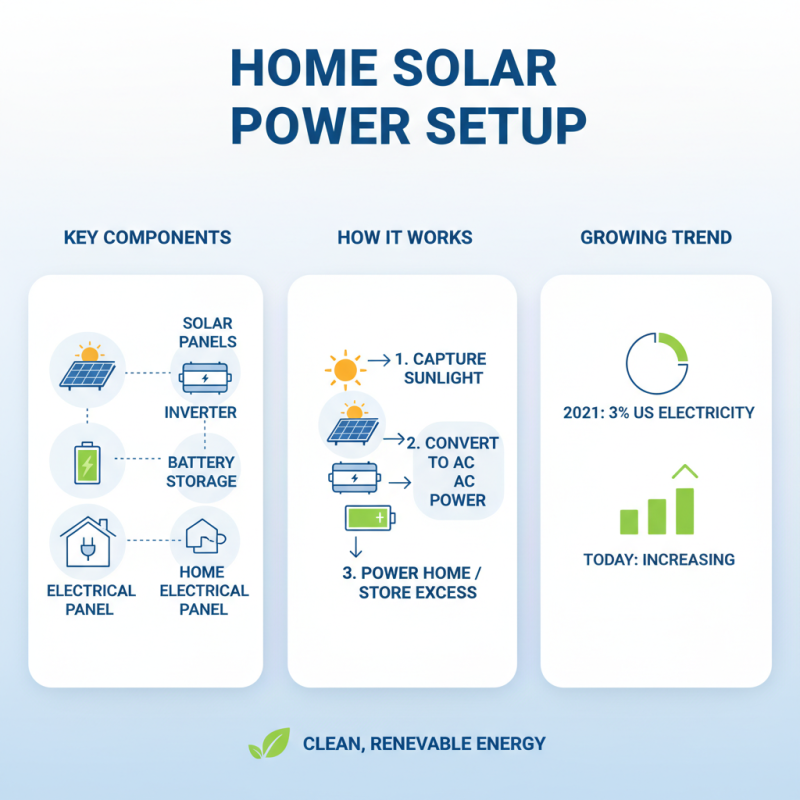
Understanding the basics of home solar energy systems can significantly impact your energy consumption. Solar panels convert sunlight into electricity. In 2021, solar energy accounted for about 3% of total U.S. electricity generation. While this seems small, the potential is vast. Many homes can harness enough solar power to cover their needs.
When installing solar panels, consider your roof’s orientation. South-facing roofs typically receive the most sunlight. The amount of shade your roof experiences can also affect energy production. A study showed that even a small amount of shading can reduce solar output by 20% or more.
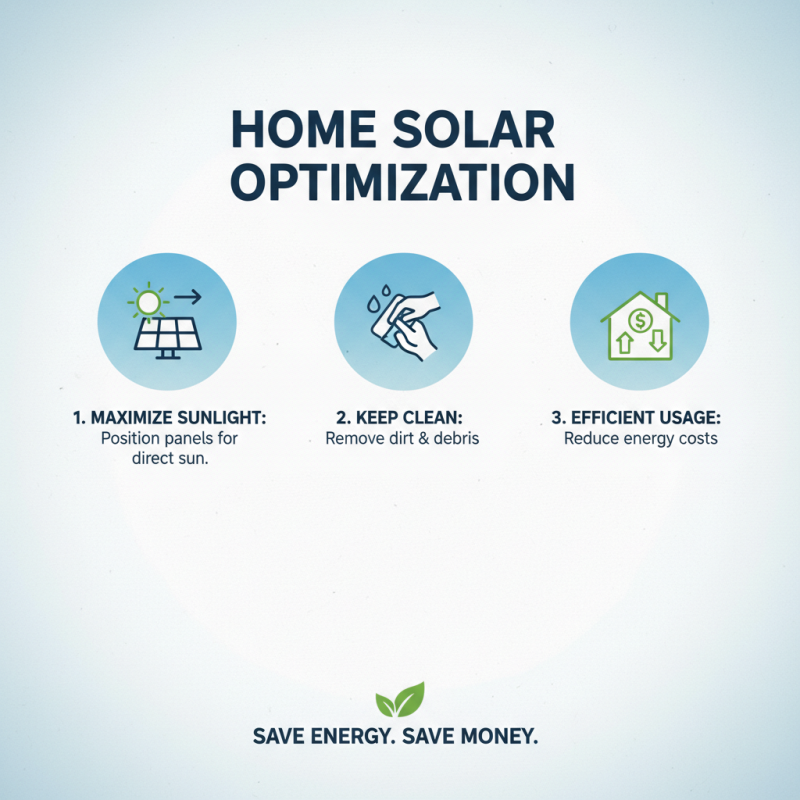
Tips: Regular maintenance is essential. Cleaning your panels can improve efficiency. Dust and debris accumulate and absorb sunlight. Also, monitor your energy consumption patterns. Identify peak usage times. This information can help you manage your solar energy use more effectively.
Understanding your local regulations is crucial. Solar incentives may vary by state, offering significant savings. Some homeowners may find themselves eligible for tax credits or rebates. However, navigating these options may require effort. Investing time in research can lead to better financial decisions regarding solar energy.
Key Components of a Home Solar Power Setup
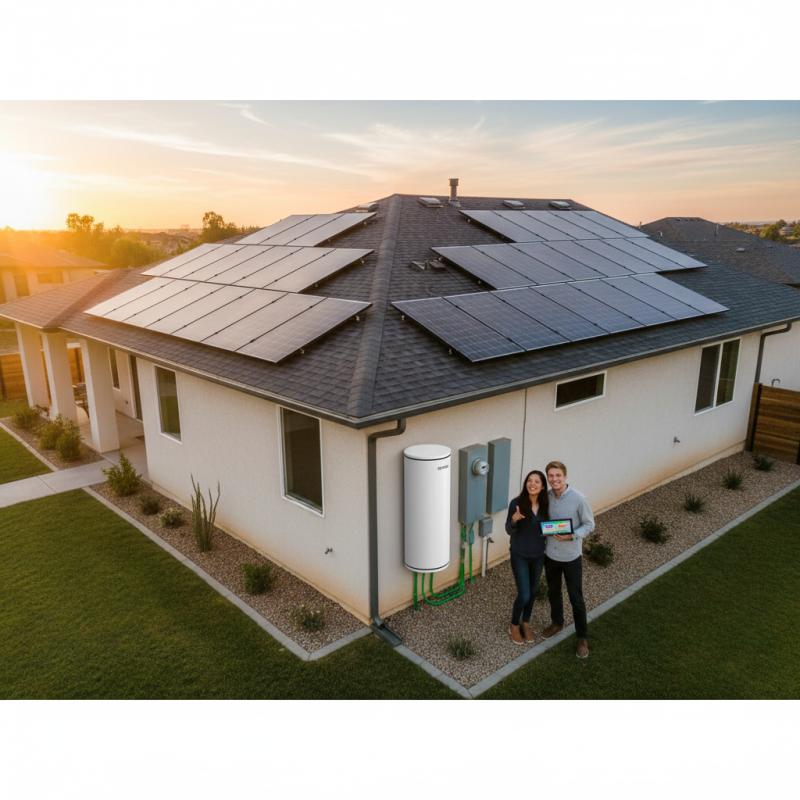
A home solar power setup consists of several key components. Solar panels are the most visible part. They convert sunlight into electricity. According to the U.S. Energy Information Administration, solar energy accounted for about 3% of total electricity generation in 2021. This number is steadily increasing as more homeowners adopt solar technology.
Beyond solar panels, inverters play a crucial role. They convert direct current (DC) electricity generated by solar panels into alternating current (AC) electricity usable in homes. A report by the International Energy Agency highlights that inverter efficiency can significantly impact overall system performance. Even a small difference in efficiency can result in wasted energy.
Battery storage is another important component. It stores excess energy produced during sunny days for use at night or on cloudy days. However, battery technology often presents challenges. Some batteries have short lifespans and high costs, which can deter homeowners. A study by BloombergNEF indicates that the energy storage market will grow rapidly, despite current limitations. This rapid growth brings hope for more efficient options in the near future.
Assessing Your Energy Needs and Solar Potential
Assessing your energy needs is crucial before investing in solar power. Many households underestimate their usage. The U.S. Energy Information Administration reports that the average American home uses about 877 kWh per month. Understanding your patterns helps determine the size of the solar system you need.
Next, evaluate your solar potential. Consider factors like roof orientation, shading, and local climate. According to the National Renewable Energy Laboratory, homes in sunny areas can produce 40% more energy than those in shaded spots. You may need to clear some overhanging branches or invest in solar panels with better performance in low light.
Energy efficiency plays a role here as well. Simple changes can reduce your needs. Swapping out incandescent bulbs for LED ones is one example. These can cut lighting costs by up to 75%. However, the effectiveness often depends on user habits. You might find that despite having solar, you still consume more than necessary during peak times. Reflecting on your energy use is vital for success.
Monitoring and Maintaining Your Solar Energy System
Monitoring your solar energy system is crucial for maximizing efficiency. Regular checks can prevent minor issues from becoming costly repairs. According to the National Renewable Energy Laboratory, systems that are properly maintained can improve energy output by up to 25%. This means that simple maintenance can lead to significant savings on utility bills.
One vital aspect of monitoring is keeping an eye on energy production. Many systems now offer real-time data tracking. This allows homeowners to analyze their energy usage patterns. If energy production drops unexpectedly, it may indicate a problem. For instance, dirt or debris on panels can reduce efficiency by 15% or more. Regular cleaning can help maintain optimal performance.
Another area to consider is the inverter status. Inverters can fail without warning. A consistent monitoring system can alert you to any issues, but manual checks are still essential. It is worth noting that many homeowners overlook battery health if their systems are equipped with energy storage. Batteries, like any technology, degrade over time. Understanding these aspects is key. Solar energy systems require ongoing attention to ensure they meet your energy needs fully.