How to Choose the Best Home Solar Power System for Your Needs?
Choosing the right home solar power system can be a daunting task. There are many options available, each with unique features. Understanding your specific energy needs is essential before making a decision.
You need to consider factors like your home’s size, energy consumption, and budget. Not all systems will fit every home. There may be limitations based on your roof type and local regulations. This is where research becomes vital.
Think about the long-term benefits and potential drawbacks. A higher upfront cost might lead to lower energy bills in the future. However, initial expenses can be a significant hurdle. Evaluate these aspects carefully to find a home solar power system that truly meets your needs.
Understanding Your Energy Needs for Solar Power
Understanding your energy needs is crucial when choosing a solar power system for your home. Begin by reviewing your electricity usage. Look at past utility bills to identify your average monthly consumption. Knowing this number helps you determine the size of the solar system needed to offset those costs.
Consider the specifics of your lifestyle. Do you use high-powered appliances extensively? Or do you mainly power lights and small devices? If you work from home, your energy needs will likely be higher. Assess seasonal variations too. Energy usage may spike in summer with air conditioning.
It’s essential to factor in your future energy needs. Are you planning to buy an electric vehicle? Will you add more appliances? These considerations can impact your solar system requirements. Analyzing these details sounds straightforward, but it can be overwhelming. Take the time to reflect on your habits. Small tweaks now can lead to significant savings and efficiency later on.
Evaluating Different Types of Solar Power Systems
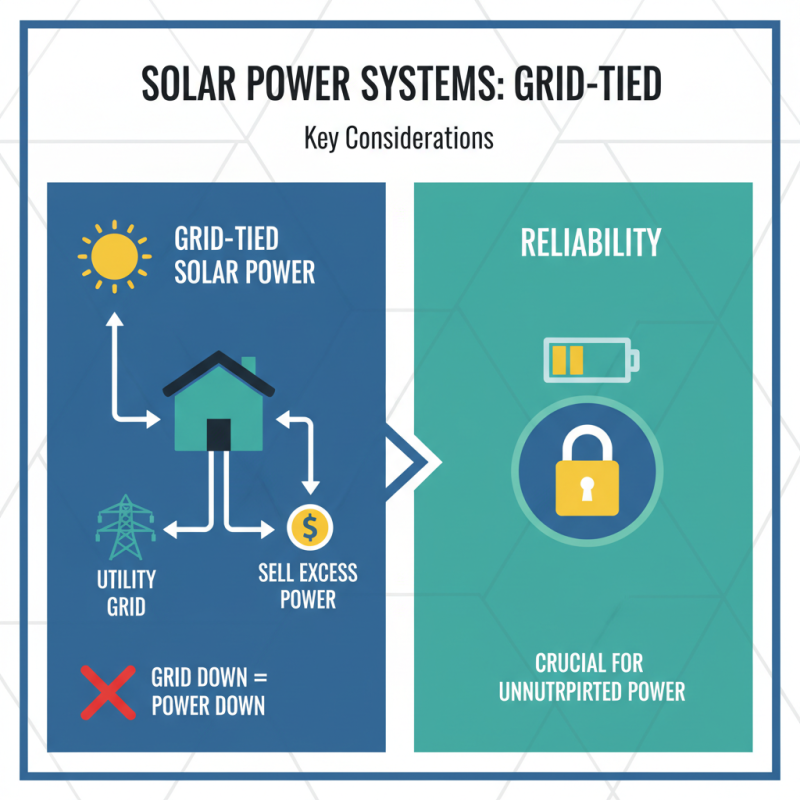
When evaluating different types of solar power systems, you’ll encounter a few main options. Grid-tied systems are popular. They connect directly to the utility grid and allow you to sell excess power back. This setup is often cost-effective, but it depends on a stable grid. If the grid goes down, so does your power. It’s crucial to consider reliability here.
Off-grid systems provide complete independence from the grid. They rely on battery storage and solar panels. This setup is ideal for remote areas. However, initial costs can be high. Maintenance is also necessary. You might find yourself checking connections regularly. If your power needs grow, upgrading can be complex.
Hybrid systems combine the best of both worlds. They connect to the grid while using batteries for backup. This flexibility is appealing. But, it comes with its own challenges. Understanding how efficiency changes based on usage can be tricky. Assessing your energy consumption habits is vital. You may need to recalibrate your expectations over time.
Comparing Costs and Financing Options for Solar Installations
When it comes to solar installations, understanding financing options is crucial. The costs can vary widely based on system size and technology. Some homeowners opt for outright purchase, which can be expensive upfront. Others might consider loans or leases that ease financial burden. Each option has its pros and cons, depending on individual circumstances.
Consider your budget before making a decision. Investigate local incentives and rebates that can reduce costs. Research grants that may be available to assist with installation expenses. Many homeowners overlook these opportunities, missing out on significant savings.
Tips: Always read the fine print in contracts. Know your system's efficiency and expected maintenance costs. Explore community solar programs as an alternative, which can be more affordable. Don't rush; take your time in evaluating your options.
Cost Comparison of Different Home Solar Power Systems
Assessing the Quality and Reliability of Solar Equipment
When choosing a solar power system, quality matters most. Not all solar panels are created equal. Look for panels with high efficiency ratings. These ratings indicate how well the panels convert sunlight to electricity. Efficiency directly impacts your energy savings. It’s crucial to select durable equipment designed to withstand harsh weather conditions.
Reliability is another essential factor. Research the lifespan of solar panels. Many panels come with warranties. A higher warranty period often suggests greater reliability. Check customer reviews and ratings for real-world performance. Installation quality also affects how well the system lasts over time. An experienced installer can make a significant difference.
Budget is a concern, too. While cheap equipment might save money upfront, consider long-term costs. Lower quality may lead to more frequent replacements. Expensive options do not always guarantee better performance. Therefore, weigh the costs against the potential benefits. Investing time in research is vital. Consider consulting with experts for tailored advice.
How to Choose the Best Home Solar Power System for Your Needs?
| System Type |
Peak Power Output (kW) |
Efficiency (%) |
Average Lifespan (Years) |
Warranty Period (Years) |
Cost ($) |
| Monocrystalline |
300 |
20-24 |
25 |
25 |
9000 |
| Polycrystalline |
270 |
15-20 |
25 |
25 |
8000 |
| Thin Film |
100 |
10-13 |
20 |
10-15 |
5000 |
| Bifacial |
320 |
20-22 |
30 |
30 |
9500 |
Navigating Local Regulations and Incentives for Solar Energy
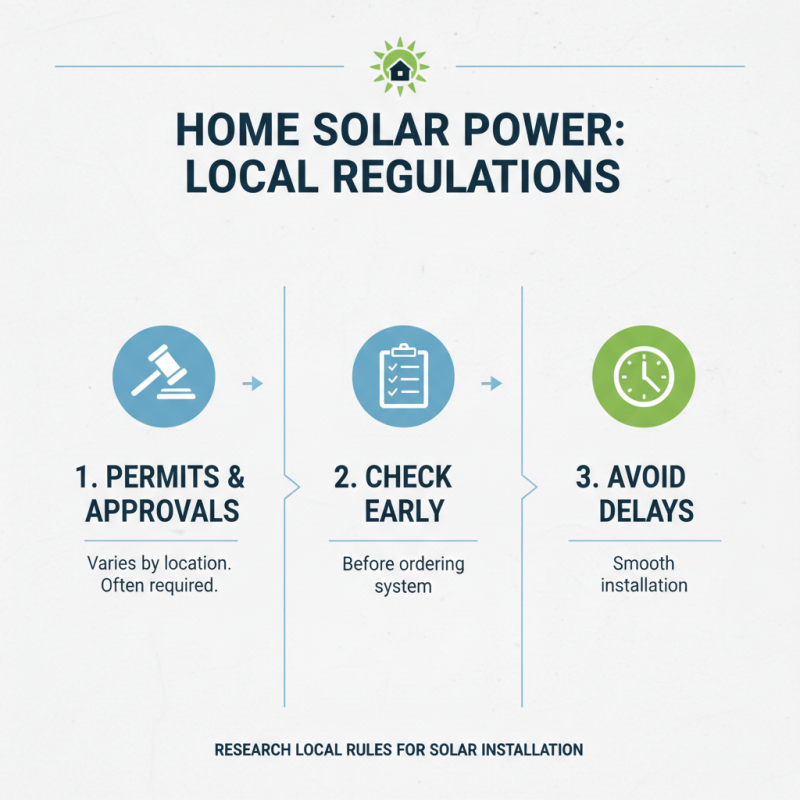
When selecting a home solar power system, local regulations play a crucial role. Each area has its own requirements for solar installations. Some cities mandate specific permits before installation. It's vital to check these regulations early in the planning process. You don’t want delays after ordering your system.
In addition to regulations, look into local incentives. Many regions offer tax credits that can significantly offset costs. Some may provide rebates for energy-efficient installations. Understanding these options can help you make a more informed choice. However, be cautious. Incentives may change unexpectedly, and some might not apply to your specific situation. Research thoroughly to avoid disappointment.
Moreover, engaging with local authorities can be enlightening. They can clarify rules and incentives. But this can be a time-consuming process. You might encounter inconsistent information. It’s important to double-check everything. Document your findings. This groundwork can lead to a smoother installation experience. Navigating these local aspects effectively will ensure your solar investment pays off.