2026 Best Home Solar Power Options for Sustainable Energy Solutions?
As we approach 2026, home solar power options are increasingly vital for sustainable energy solutions. According to the U.S. Energy Information Administration, residential solar capacity grew by over 20% in 2022 alone. This trend reflects a growing awareness of the benefits of renewable energy. Homeowners are looking for ways to reduce their carbon footprint and save on electricity bills.
However, the adoption of home solar power is not without its challenges. Some homeowners face high upfront costs, which can deter investment. Reports suggest that while prices for solar panels have fallen by about 70% since 2010, financing options may still be limited. Furthermore, many homeowners are unaware of available incentives and rebates that could lower costs.
Despite these hurdles, the shift toward home solar power presents a significant opportunity. Experts predict that by 2030, solar energy could represent 30% of the United States' electricity generation. This potential underscores the need for continued education and accessibility in solar technology. As we explore the best options for home solar power in 2026, considering both the benefits and barriers is essential for making informed decisions.
2026 Overview of Home Solar Power Options and Market Trends
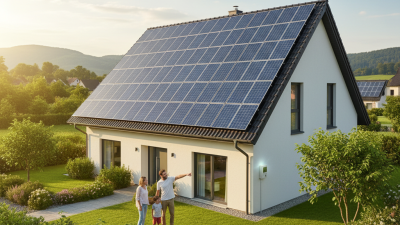
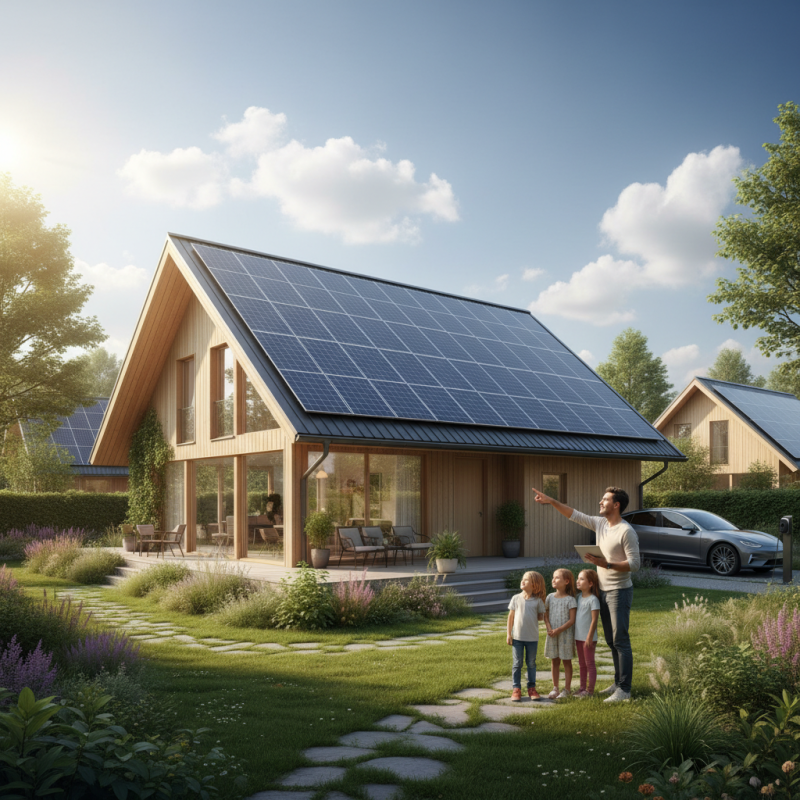
As we look toward 2026, the landscape of home solar power is evolving rapidly. Many homeowners are embracing solar technology for energy independence. This shift reflects a growing commitment to sustainable solutions. Various systems, such as rooftop panels and solar batteries, offer different benefits. Homeowners need to assess their specific needs and local regulations.
Market trends indicate a rise in efficiency and affordability. Innovations are making solar power more accessible. With better technology, energy production is increasing. Yet, numerous challenges remain. Installation costs can still be a barrier for many. Not every home is suitable for solar solutions. This lack of uniformity can lead to disillusionment.
Community solar projects are gaining attention. They allow participation from those who cannot install panels. However, they may not provide the same energy savings for everyone. Balancing these factors is essential for long-term success. Home solar options require thoughtful consideration, and each choice can impact a household's energy future.
Key Factors Driving Adoption of Solar Energy Solutions in 2026
The adoption of solar energy solutions is accelerating rapidly. In 2026, more households are likely to choose solar power for sustainable energy. Recent studies show that over 30% of new homes are being equipped with solar panels. This shift is driven by a combination of environmental awareness and financial incentives.
Cost savings play a crucial role in the shift towards solar energy. According to the Solar Energy Industries Association, homeowners can save up to 50% on energy bills with solar installation. Despite the initial costs, many find long-term savings compelling. Moreover, government subsidies and tax credits are making solar more accessible to average consumers.
Yet, there are challenges that warrant reflection. Installation complexity and maintenance can be daunting for some homeowners. Additionally, not every location is suitable for solar energy. Regional weather patterns may affect performance. This variability raises questions about the reliability of solar power in different environments. As the market grows, addressing these concerns will be key for broader acceptance.
Analysis of Solar Panel Technologies: Efficiency and Cost Comparisons
In recent years, solar panel technologies have made significant advancements. Various options are available, each with distinct pros and cons. For instance,
monocrystalline panels are known for their high efficiency. They work well in limited spaces. However, they often come with a steeper price tag. Many homeowners find this cost-to-efficiency ratio worth discussing.
On the other hand, polycrystalline panels are more affordable. They offer decent efficiency levels, though they typically perform slightly lower than their monocrystalline counterparts. The setup quality also plays a critical role. Poor installation can lead to underperformance. It’s essential to assess not just the panel types but also installation practices.
Emerging technologies, like thin-film solar panels, have their merits too. They may be less efficient but are lightweight and flexible. This can lead to unique applications in various building designs. However, their different materials raise questions about durability. Homeowners often need clarity on the best fit for their energy needs. Navigating this landscape is complex, as efficiency, cost, and longevity all intertwine.
Government Incentives and Policies Supporting Home Solar Energy Systems
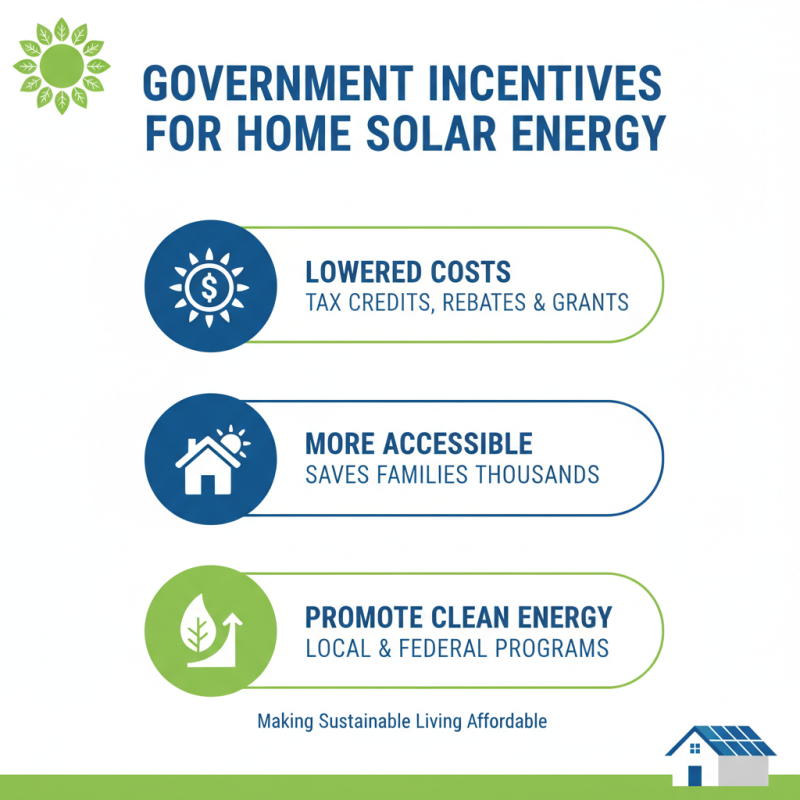
Government incentives are crucial for promoting home solar energy systems. Many local and federal programs offer financial support for homeowners. These can include tax credits, rebates, and grants. Such incentives can significantly lower installation costs. Families can save thousands, making solar energy more accessible.
Furthermore, policies can encourage community solar projects. These initiatives allow multiple households to share resources. It’s a great way for those with limited roof space to participate. However, not all regions have equal support. Some areas might lack sufficient incentives, making access unequal.
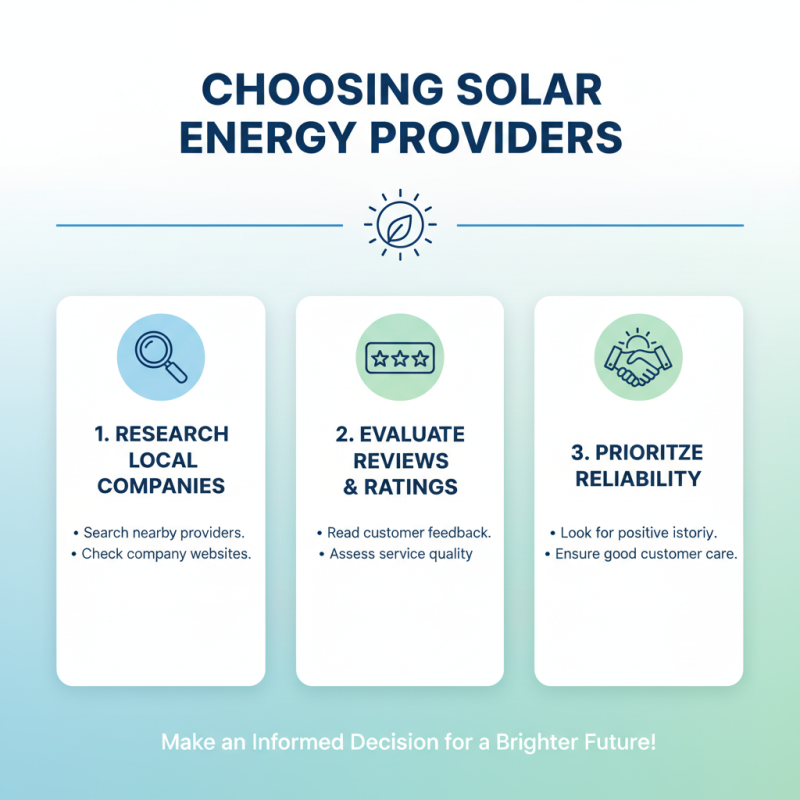
The landscape of solar energy is evolving. There are complexities in navigating these programs. Homeowners need to stay informed. Researching applicable benefits is essential. Each state has different regulations that can affect installations. Understanding these can help maximize the value of investing in solar energy.