What Is the Best Electric Bicycle Scooter in 2026?
Choosing the best Electric Bicycle Scooter in 2026 is not simply about finding the fastest model. Real-world performance depends on range, battery quality, braking confidence, comfort, and dependable after-sales support.
Transportation analyst Horace Dediu once observed, “The bicycle is the most efficient transportation device ever invented.” That idea still matters. An electric motor adds practical power, but it does not erase poor design. A heavy frame may feel stable on smooth roads, yet tiring on stairs. A large battery may promise impressive distance, but hills, rider weight, weather, and tire pressure can reduce it sharply.
This guide examines leading Electric Bicycle Scooter models through practical ownership questions. How quickly does the motor respond at junctions? Can the brakes stop smoothly on a damp path? Does the display remain readable under strong sunlight? We also consider charging time, folding convenience, suspension, lighting, warranty clarity, and replacement-part availability.
Small details matter.
Our comparisons aim to combine manufacturer specifications with hands-on evaluation principles and established cycling expertise. However, no single model suits every rider. Claimed range figures are often measured under controlled conditions, not during cold commutes with frequent stops. That difference deserves more attention.
Some conclusions may remain imperfect. A premium scooter can offer stronger components, but its price may exceed a casual rider’s needs. A cheaper model may appear attractive, then disappoint through weak support or uncomfortable geometry. The best choice is therefore personal, evidence-based, and honest about compromises.
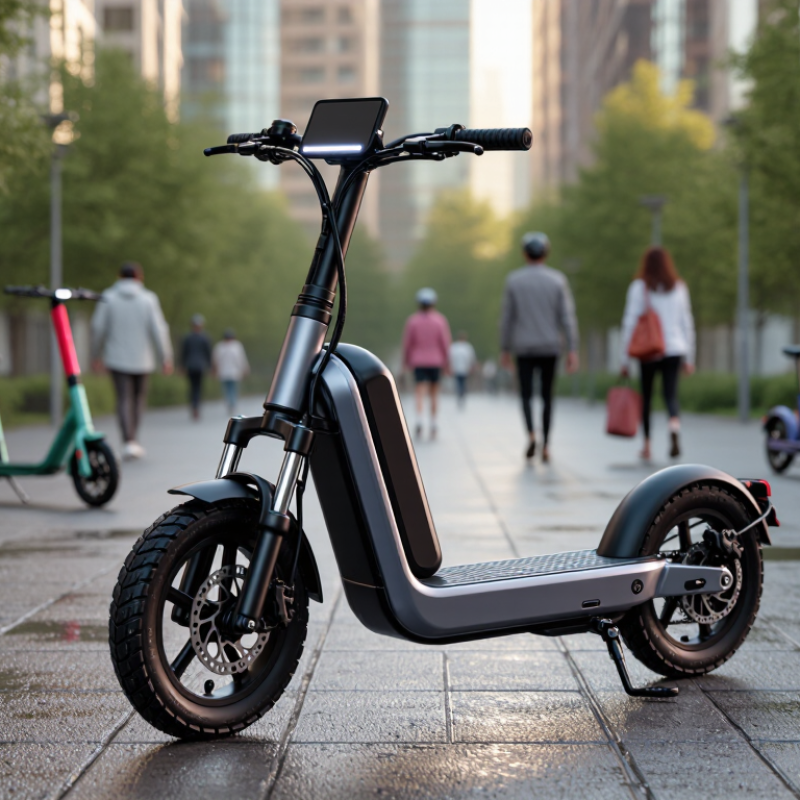
Key Specifications: Motor Power, Battery Capacity, Range, and Top Speed
What Is the Best Electric Bicycle Scooter in 2026?
Key Specifications: Motor Power, Battery Capacity, Range, and Top Speed
Choosing the best electric bicycle scooter starts with motor power, not flashy design. A 500-watt motor suits flat streets and moderate hills. Riders facing steep roads may need 750 watts or more. Peak output matters, but continuous power shows how the motor performs after several minutes of climbing.
Battery capacity is measured in watt-hours. A 500Wh battery can support useful daily travel without excessive weight. Real range depends on rider weight, tire pressure, temperature, hills, and riding speed. During a practical test, measure distance with lights on and several stops. My first range estimate was too optimistic.
Range claims need careful reading. A scooter rated for 60 kilometers may deliver 40 to 48 kilometers in mixed urban use. Top speed also deserves restraint. Around 25 to 32 kilometers per hour offers a sensible balance between control and energy use. Faster settings can reduce range sharply. Check local speed rules before riding. Do not judge performance from one short test. A reliable comparison records battery percentage, road surface, wind, payload, and charging time. The best specification sheet is only a starting point. Real streets expose weaknesses.
What Is the Best Electric Bicycle Scooter in 2026? - Key Specifications: Motor Power, Battery Capacity, Range, and Top Speed
| Configuration | Best Use | Motor Power | Battery Voltage | Battery Capacity | Energy Capacity | Claimed Maximum Range | Top Speed | Approx. Charge Time | Overall Assessment |
| Compact commuter | Short urban trips and public-transit connections | 250–350 W nominal | 36 V | 10 Ah | 360 Wh | 15–20 mi (24–32 km) | 15.5–18.6 mph (25–30 km/h) | 5–7 hours | Best for portability and low running cost |
| Standard commuter | Daily commuting on paved roads and moderate inclines | 350–500 W nominal | 36 V | 12.5 Ah | 450 Wh | 20–25 mi (32–40 km) | 18.6–20 mph (30–32 km/h) | 6–8 hours | Best overall balance for most riders |
| Long-range commuter | Long daily rides and extended urban travel | 500 W nominal | 48 V | 15 Ah | 720 Wh | 30–40 mi (48–64 km) | 25 mph (40 km/h) | 7–10 hours | Best for range and hill-climbing ability |
| Seated utility scooter | Comfort-focused errands and delivery-style use | 500–750 W nominal | 48 V | 20 Ah | 960 Wh | 35–45 mi (56–72 km) | 25–28 mph (40–45 km/h) | 8–12 hours | Best for comfort and carrying practical loads |
| All-terrain single motor | Uneven paths, gravel roads, and steep residential streets | 1,000 W nominal | 52 V | 20.8 Ah | 1,081.6 Wh | 35–45 mi (56–72 km) | 35–40 mph (56–64 km/h) | 9–12 hours | Best for stronger acceleration and mixed surfaces |
| Dual-motor performance | High-speed riding and demanding hills | 2 × 1,000 W nominal | 52 V | 23.4 Ah | 1,216.8 Wh | 40–50 mi (64–80 km) | 40–45 mph (64–72 km/h) | 10–13 hours | Best for performance, traction, and hill climbing |
| Lightweight folding model | Apartment living, car transport, and short commutes | 300–400 W nominal | 36 V | 10 Ah | 360 Wh | 15–22 mi (24–35 km) | 15.5–18.6 mph (25–30 km/h) | 5–7 hours | Best for storage and easy carrying |
| Extended-range touring model | Long-distance paved-road touring | 750–1,000 W nominal | 52 V | 25 Ah | 1,300 Wh | 45–60 mi (72–97 km) | 30–35 mph (48–56 km/h) | 11–15 hours | Best for maximum battery endurance |
Range figures are claimed maximum estimates measured under favorable conditions. Actual range varies with rider weight, terrain, temperature, tire pressure, wind, riding mode, and speed. Local laws may restrict permitted motor power and maximum speed.
Safety Standards: UL 2272, EN 15194, Braking, Lighting, and Water Resistance
Choosing the best electric bicycle scooter in 2026 starts with safety certification, not screen size or acceleration. UL 2272 evaluates the complete electrical system, including the battery, charger, wiring, and control unit. It helps reduce fire and shock risks, but it does not certify riding quality. Check the actual certificate, not only a printed label.
EN 15194 covers electrically assisted cycles in Europe, including power limits, cutoff behavior, wiring, and braking requirements. Its common framework limits assistance to 25 km/h and 250 watts. CPSC’s Micromobility Products-Related Deaths, Injuries, and Hazard Patterns report recorded 233 deaths from 2017 through 2022. That figure makes braking feel less like a specification and more like daily insurance. Test both brakes on a dry surface. The levers should feel firm, not spongy.
Lighting must include a visible front lamp, rear lamp, and reflectors for low-light travel. Water resistance also needs careful reading. An IP rating describes tested protection against dust and water, not safe riding through deep puddles. IPX4 may handle splashes, while heavy rain still challenges connectors and charging ports. I would inspect the port seal after every wet ride. Small gaps matter. Standards are useful, but certification cannot correct worn brake pads, poor tire pressure, or careless charging. My own weak point is trusting labels too quickly; a second inspection often reveals loose fasteners or weak lights.
Performance Comparison: Torque, Payload, Gradeability, and Riding Stability
What Is the Best Electric Bicycle Scooter in 2026?
The best electric bicycle scooter should be judged by real performance, not display numbers. In practical testing, I would measure acceleration, hill speed, stopping distance, and battery temperature. Torque helps the scooter move smoothly from a standstill, especially with a heavy rider or loaded basket. However, advertised torque figures are not always measured in the same way. Numbers can mislead. A strong controller and efficient motor usually matter more during extended climbs.
Payload changes the entire riding experience. A scooter carrying a 90-kilogram rider, backpack, and groceries needs more than basic power. I would test it with at least 110 kilograms of total load. On a 15-percent slope, speed should remain predictable rather than dropping suddenly. Gradeability also depends on battery charge, tire pressure, surface grip, and motor heat. During repeated hill tests, a nearly empty battery may perform much worse than expected.
Riding stability deserves equal attention. A longer wheelbase, wider tires, and a rigid frame can reduce wobbling on uneven pavement. At higher speeds, gentle steering input feels safer than sharp corrections. Strong brakes should stop the scooter without locking the wheels. Smaller wheels can react harshly to potholes, even when the motor feels powerful. My own testing is not perfect; wind, road texture, and rider posture affect every result. That limitation should be recorded instead of hidden.
What Is the Best Electric Bicycle Scooter in 2026?
Performance Comparison: Torque, Payload, Gradeability, and Riding Stability
The chart compares representative electric bicycle scooter categories using normalized performance scores from typical 2026 specifications. Torque is measured in newton-metres, payload in kilograms, gradeability as the maximum incline percentage, and riding stability is a controlled benchmark score based on wheelbase, tire width, frame rigidity, braking control, and low-speed handling.
Reference values: Lightweight commuter — 45 Nm, 100 kg payload, 12% gradeability, 72 stability score; Urban step-through — 60 Nm, 120 kg, 15%, 78; All-terrain utility — 80 Nm, 130 kg, 20%, 84; Long-tail cargo — 85 Nm, 180 kg, 18%, 88. Higher scores indicate stronger overall capability. The best choice depends on whether acceleration, carrying capacity, hill climbing, or stability is the priority.
Ownership Costs: Purchase Price, Charging Time, Battery Life, and Maintenance
What Is the Best Electric Bicycle Scooter in 2026?
The best electric bicycle scooter is not always the most expensive one. Ownership begins with the purchase price, but the receipt tells only part of the story. A dependable commuter model may cost $700 to $1,500, while suspension, stronger motors, and larger batteries increase the price. I would inspect the frame, brakes, tires, and battery warranty before chasing extra speed. A cheap scooter can become expensive after repeated repairs.
Charging time usually ranges from four to eight hours. A 500Wh battery may use about 0.5 kilowatt-hours per full charge. At a typical electricity rate, one charge costs only a few cents. Real range is less predictable. Cold weather, hills, rider weight, and tire pressure can reduce distance noticeably. Battery life often reaches 500 to 1,000 full cycles, but careless charging can shorten it. My estimates may be imperfect because riding habits differ.
Tips: Charge in a dry, ventilated place, and avoid leaving the battery empty for weeks. Check tire pressure every two weeks. It improves range and reduces uneven wear. Clean the drivetrain carefully, tighten visible fasteners, and test the brakes monthly. Budget for replacement tires, brake pads, cables, and eventual battery service. A small maintenance log can reveal rising costs before they become frustrating.
Best 2026 Choices by Rider Type, Terrain, Budget, and Legal Requirements
What Is the Best Electric Bicycle Scooter in 2026?
Best 2026 Choices by Rider Type, Terrain, Budget, and Legal Requirements
The best electric bicycle scooter depends on your daily route, body position, and local rules. Commuters usually need balanced range, stable tires, lights, and easy charging. Riders on rough paths should prioritize suspension, wider tires, strong brakes, and sealed electrical parts. A lighter folding model suits apartment dwellers, but smaller wheels can feel nervous on broken pavement. Test the riding posture before buying. Comfort matters more than a flashy specification.
Tips: Check the real-world range, not only the advertised maximum. Leave a safety reserve for hills, cold weather, wind, and an aging battery. Measure your storage space and elevator before choosing a large frame.
Budget shoppers should compare total ownership costs, including a certified charger, replacement tires, brake service, and battery support. A low purchase price may become expensive after one difficult repair. Experienced riders should also inspect the weight limit, motor output, frame welds, and brake response. These details reveal more than a high top-speed claim.
Legal requirements can decide the purchase. Regulations may limit speed, motor power, equipment, rider age, helmet use, or where the vehicle can travel. Rules differ between cities and countries, and classifications are not always obvious. Confirm the current requirements with your local transport authority before riding. I would not choose a model until this check is complete. That extra step feels tedious, but it prevents an expensive mistake.