Exploring the Benefits of Solar Power for Global Buyers?
Solar power is transforming the energy landscape for global buyers. This renewable source offers significant benefits, from cost savings to environmental impact. As countries seek sustainable energy solutions, solar power emerges as a viable option.
Many businesses and households now turn to solar energy. They aim to reduce their carbon footprints and save on energy costs. For some, the initial investment can be daunting. But the long-term savings often offset those initial expenses. It’s an investment that can lead to energy independence.
Solar power technology is advancing rapidly. Innovations are making it more efficient and accessible. However, challenges remain. Some regions still struggle with installation and maintenance. Buyers must evaluate their local conditions before committing. Understanding these factors is crucial for making informed decisions.
Understanding Solar Power: An Overview for Global Buyers
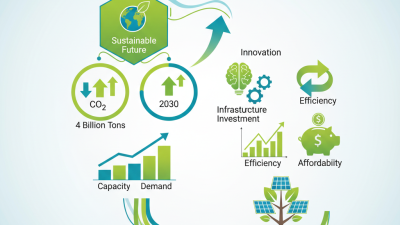
Solar power is increasingly recognized as a viable energy source for global buyers. A report from the International Energy Agency highlights that solar energy could provide up to 30% of the world's electricity by 2030. This statistic shows the rapid growth potential of solar technology, making it an attractive avenue for investment.
The shift towards solar energy is driven by several factors. First, the declining cost of solar panels has made them accessible to a broader market. According to the National Renewable Energy Laboratory, the price of solar photovoltaic systems has decreased by over 80% in the last decade. This affordability allows more buyers to consider solar as a feasible option. However, there is still hesitation among some potential users. Concerns regarding the reliability of sunlight and energy storage solutions linger.
Moreover, governmental policies and incentives vary greatly by region. Buyers must understand these local regulations to maximize benefits. The Renewable Energy Policy Network reports that supportive policies could enhance solar development by 25%. This underscores the importance of understanding each market's landscape. Buyers can benefit significantly from comprehensive research into local conditions before making decisions.
Key Advantages of Solar Energy for International Markets
Solar energy is gaining traction in international markets. It presents various benefits that attract global buyers. First, it offers significant cost savings in the long run. Installing solar panels can reduce electricity bills substantially. Many countries provide incentives for adopting solar technology. This can further lower initial investment costs.
Additionally, solar power enhances energy security. By harnessing sunlight, countries can reduce dependency on imported fuels. This independence often leads to greater price stability. However, the transition to solar is not without challenges. Initial installation can be expensive and require significant planning. Moreover, the efficiency of solar panels can vary by location. Buyers must assess their specific needs and local conditions.
The environmental benefits of solar power cannot be ignored. It contributes to reducing greenhouse gas emissions. This is crucial in an era grappling with climate change. Yet, the manufacturing process of solar panels raises questions about sustainability. Buyers should seek information on recycling and disposal methods. Navigating these complexities is essential for informed decisions.
Cost Savings Realized Through Solar Energy Adoption
The transition to solar energy is not just a trend; it's an economic shift. Many businesses are reaping significant cost savings through solar power adoption. By installing solar panels, companies can drastically reduce electricity expenses. This move often translates into long-term financial benefits, as energy prices continue to rise. A solar setup typically pays for itself within a few years, making it a wise investment.
Realizing these savings requires careful planning and assessment. Companies often face challenges such as high initial investment and technological understanding. Some may feel overwhelmed by the decision-making process. However, the potential for lower operational costs provides a strong incentive. As maintenance and operational expenses drop, businesses can redirect funds to growth and innovation.
Throughout this journey, many companies report mixed feelings. While cost savings are evident, some may struggle with the upfront financial commitment. It's essential to weigh all factors: benefits, costs, and sustainability. Embracing solar power is more than just saving money; it's about creating a resilient and sustainable future. The experience should prompt reflection on the balance between innovation and traditional energy sources.
Environmental Impact: How Solar Power Contributes to Sustainability
Solar power is increasingly recognized as a key player in environmental sustainability. It reduces greenhouse gas emissions significantly. By harnessing sunlight, we decrease reliance on fossil fuels. This shift has notable benefits for air quality. Cleaner air leads to healthier communities. In many regions, solar energy can power homes and businesses efficiently.
However, not all impacts are positive. The production of solar panels can involve harmful materials. Waste management of old panels poses another challenge. There is ongoing research to make this process greener. Additionally, solar farms require land, sometimes affecting local ecosystems. These factors demand careful consideration.
Purchasing solar energy systems also supports green technology jobs. Investment in this sector is rapidly growing. Countries committed to reducing carbon footprints will gain long-term economic advantages. Each step toward solar energy adoption is crucial. While hurdles exist, the journey toward sustainability is a shared responsibility. Every effort counts in creating a cleaner, more sustainable planet.
Navigating Incentives and Financing Options for Solar Projects
Navigating incentives and financing options for solar projects is crucial for global buyers. Governments often offer tax credits, grants, and rebates to promote solar adoption. According to the International Renewable Energy Agency (IRENA), more than 50 countries now provide attractive incentives for solar investments. These can significantly lower initial costs.
Understanding financing options is essential. Buyers can explore solar loans, leases, or power purchase agreements (PPAs). The U.S. Solar Energy Industries Association reports that solar financing options have grown by over 60% in recent years. This evolution has provided more flexible pathways for businesses and homeowners to invest in solar technology.
Tips for navigating these options include researching local incentives before purchasing. Many regions have specific programs that can enhance your savings. Evaluate long-term savings versus immediate expenses, as this can affect your project's overall financial viability. Additionally, consulting with solar financing experts can uncover tailored solutions that fit your budget. Remember, the landscape is continually changing, making it vital to stay informed about new policies and for emerging financing models.