2026 Top Domestic Solar Systems What to Know and Choose?
The rise of domestic solar systems is reshaping energy consumption in homes. In 2021, the global solar market reached over 180 gigawatts in new installations, with expectations of continued growth. By 2026, the domestic solar systems market is projected to expand by 20%, fueled by technological advancements and government incentives.
Consumers now have diverse options for domestic solar systems. Many homeowners look for reliability and efficiency. Reports suggest that solar panels can reduce electricity bills by up to 70%. Yet, challenges exist, such as initial costs and installation complexities. Some installations may not perform as expected. It's crucial to vet suppliers and understand long-term commitments.
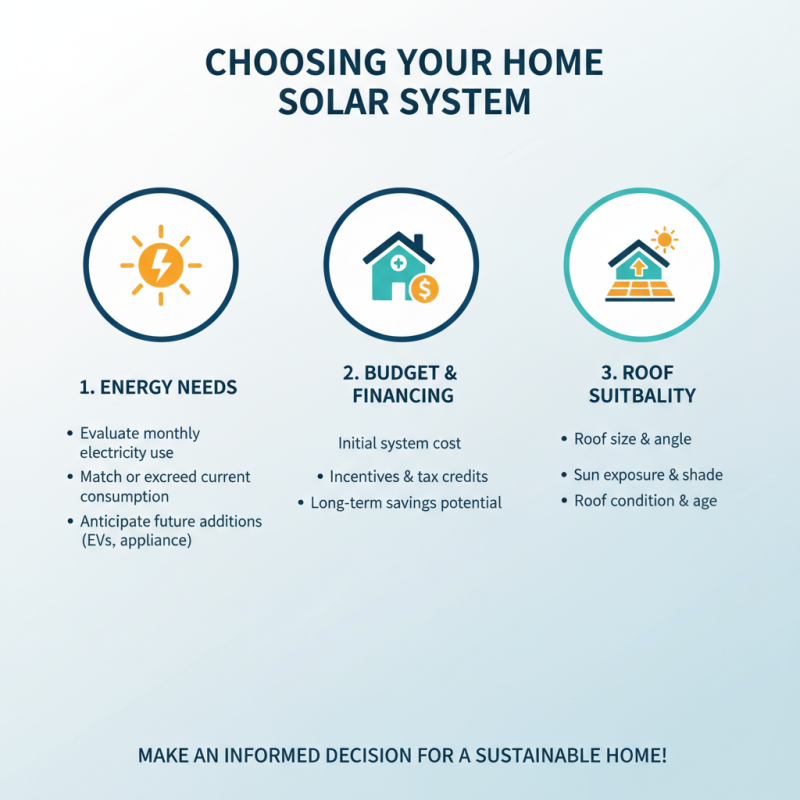
Investing in domestic solar systems can lead to significant savings. Decision-makers must consider factors like location, panel type, and warranty periods. As the market evolves, staying informed is essential. Homeowners should rely on data and customer experiences to make the best choices. This journey requires reflection and ongoing learning.

2026 Solar Market Overview: Growth Trends and Projections
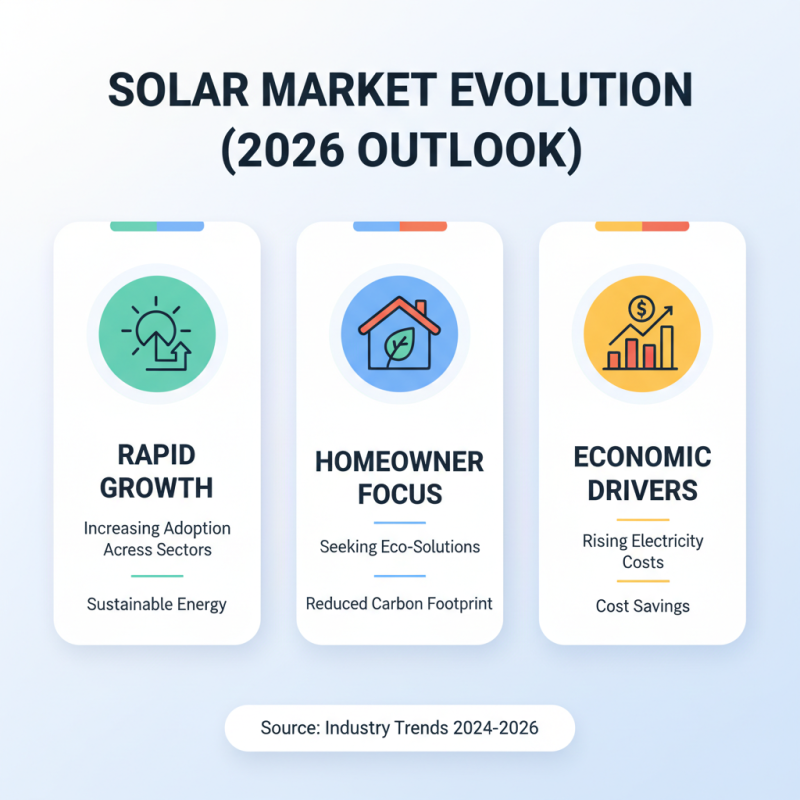
The solar market is evolving rapidly as we approach 2026. Growth trends indicate an increasing adoption of solar energy across various sectors. Many homeowners are seeking sustainable energy solutions to reduce their carbon footprint. The rising cost of electricity also drives interest in solar systems.
Projections show a significant increase in solar installations over the next few years. Innovations in technology are making solar panels more efficient and affordable. However, there are challenges that potential buyers should consider. The upfront costs can still be daunting for many households.
Additionally, not all regions are equally supportive of solar implementation. Some areas lack sufficient sunlight, impacting energy production. It's important for consumers to assess their specific circumstances. They should weigh the benefits against potential drawbacks. Understanding local regulations is crucial as well.
Key Solar Technologies: Comparing Monocrystalline, Polycrystalline, and Thin-Film Systems
When considering solar systems for homes, the choice of technology is crucial.
Monocrystalline, polycrystalline, and thin-film options present distinct advantages and drawbacks.
Monocrystalline panels, often praised for their efficiency, convert about 20-22% of sunlight into energy. They perform well in low-light conditions.
However, their cost is significantly higher, which may deter some homeowners.
Polycrystalline systems are generally less expensive but offer lower efficiency, around 15-17%.
They consist of multiple silicon crystals, leading to a more wasteful manufacturing process.
Some users report that while affordable, these systems occupy more space for the same energy output.
Thin-film technologies, while lightweight and flexible, fall behind in efficiency at 10-12%.
Yet, their low manufacturing cost makes them appealing for large-scale installations.
Each technology comes with trade-offs. Homeowners need to evaluate factors like budget, energy needs, and available space.
Industry reports indicate a growing preference for monocrystalline systems despite the initial investment.
Users often reflect on energy yield and realize the importance of choosing a reliable option for long-term savings.
Efficiency Ratings: Understanding the Industry Standards and Certifications
Efficiency ratings play a crucial role in selecting solar systems. Understanding these ratings can help potential buyers make informed decisions. The industry primarily uses two standards: the California Energy Commission (CEC) ratings and the module efficiency percentages. The CEC rating considers performance in various conditions, while efficiency percentages reflect maximum energy conversion.
Reports indicate that leading solar panels have efficiencies exceeding 20%. Some models reach up to 23%, showcasing significant advancements in technology. However, it's vital to note that higher efficiency does not always equate to better performance. Factors like temperature coefficients and degradation rates also matter. Solar panels in hotter climates may underperform despite high efficiency ratings.
Moreover, certifications from organizations like the International Electrotechnical Commission (IEC) are essential. They ensure panels meet safety and performance guidelines. Yet, not all certifications guarantee longevity. Some manufacturers might rush their processes, leading to potential issues over time. Buyers should look for installed systems and ask about real-world performance data.
2026 Top Domestic Solar Systems
| Model |
Efficiency Rating (%) |
Power Output (W) |
Warranty (Years) |
Certification |
| SolarMax 3000 |
20.5 |
3000 |
25 |
IEC 61215 |
| PowerLite 2800 |
19.2 |
2800 |
20 |
UL 2703 |
| EcoSun 3500 |
22.0 |
3500 |
25 |
ISO 9001 |
| SunPower 3100 |
21.5 |
3100 |
25 |
CEC |
| GreenTech 3200 |
18.9 |
3200 |
20 |
TUV |
Cost Analysis: Evaluating Installation Costs and Long-Term Savings
As more homeowners consider solar energy, understanding installation costs is crucial. The average cost of a solar system varies widely. Factors include system size, quality, and location. On average, installation costs can range from $15,000 to $30,000. Prices fluctuate based on the materials selected and local incentives available.
Long-term savings are a significant factor to explore. Homeowners often see reductions in their energy bills. A typical system could save between $10,000 to $30,000 over its lifespan. However, not all installations yield the same results. Variability in sunlight exposure affects efficiency. Additionally, homeowners must consider maintenance costs. Neglecting these aspects could lead to unexpected expenses.
Choosing the right system requires careful evaluation. It’s important to analyze personal energy needs. A larger system may not always be better. Size should reflect usage patterns. Buyers should also assess financing options. Some may find loans beneficial, while others prefer cash purchases. Understanding long-term impacts on finances is essential before making a decision.