2026 Best Vibrating Knife Carton Proofing Machines?
Choosing the best carton proofing machine for 2026 is not simply a matter of comparing cutting speed. A Vibrating Knife Carton Proofing Machine must turn digital artwork into a clean, foldable sample. In practice, the result depends on more than the blade. Material thickness, flute direction, creasing pressure, software settings, and operator judgment all matter. A sample may look accurate on the table, yet fold poorly at the gluing station. That is where careful testing begins. This guide introduces the machines most worth examining for carton prototypes, short runs, and packaging development. It focuses on measurable performance rather than attractive brochures.
We will compare cutting precision, creasing consistency, working area, tool changes, noise, safety features, and software compatibility. Setup time and material waste also affect real production costs. A useful review should show performance with E-flute board, corrugated sheets, coated stock, and delicate printed cartons. Edges should remain clean around tight corners. Scores should stay readable after repeated folding. Not every machine performs equally across these tasks. That limitation matters. Specifications can be incomplete, while demonstrations may use unusually easy materials. Therefore, manufacturer data should be treated as a starting point, not final proof. Buyers should request sample testing with their own files and board grades. The fastest model may not be the best choice. Consistent prototypes often matter more than peak speed. This article provides a practical framework for comparing 2026 options and asking better questions before purchase.
What Are Vibrating Knife Carton Proofing Machines?
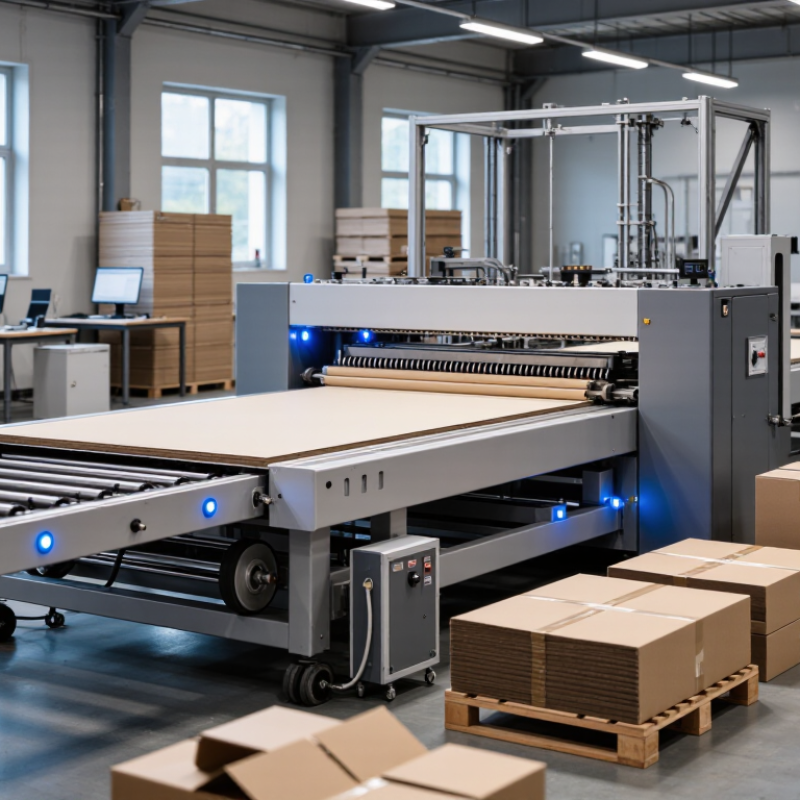
A vibrating knife carton proofing machine is a digital cutting and creasing system for making physical carton samples. It uses a rapidly moving blade, rather than a fixed steel die, to follow CAD outlines on corrugated board, paperboard, or foam packaging materials. A creasing wheel can mark fold lines without cutting through the sheet.
The process is practical. An operator loads a flat sheet, imports the structural design, and adjusts blade depth, speed, and crease pressure. Within minutes, the table can produce a sample for folding, fitting, and presentation. This helps packaging teams test panel dimensions before ordering production tooling. It also suits short runs, seasonal designs, and custom carton development.
Industry demand supports this workflow. FEFCO’s 2023 statistics reported about 42.5 billion square metres of European corrugated production, showing the scale of carton manufacturing. Smithers’ corrugated packaging research also identifies e-commerce and lightweighting as important market influences. These trends increase the need for faster design changes and material-efficient testing.
The machine is not automatically perfect. Excessive blade pressure may crush flutes or leave rough corners. Thin board can move during cutting. In my experience, a clean sample depends as much on calibration as machine speed. Operators should inspect folded corners, slot alignment, and crease recovery under real lighting. A prototype can look accurate on the table, yet fail during hand assembly. That small gap deserves attention.
Which Features Matter When Choosing a 2026 Model?
Choosing a 2026 vibrating knife carton proofing machine starts with material control, not a glossy specification sheet. Test it with your actual corrugated board, folding carton stock, and recycled papers. Different fibers can change cutting resistance, edge quality, and waste.
A responsive oscillating knife should handle tight corners without crushing the flute. Adjustable speed and cutting depth matter when switching between thin sleeves and heavier shipping board. A separate creasing tool is equally important. Weak creases cause cracked folds, while excessive pressure leaves visible marks. Check whether the machine supports automatic tool changes. This can reduce setup errors during small sample runs.
Registration accuracy deserves close attention. A camera system can align printed artwork with the cutting path, but lighting and surface glare may affect results. Ask for a live demonstration using your own printed sheets. Software should import common CAD formats, record job settings, and show toolpath warnings before cutting. It should also provide clear operator controls. Complicated software wastes time.
Safety features should include guarded moving parts, emergency stopping, and reliable access sensors. Dust management helps protect the work area and may improve cut visibility. Noise levels matter too. Ask about maintenance intervals, blade availability, training, and response times for technical support. Do not judge performance from one perfect sample. Run repeated tests, measure dimensions, inspect fold lines, and record failures. Some machines need more adjustment than expected. That is worth knowing before production begins.
How to Compare Machine Performance, Accuracy, and Compatibility
Choosing a 2026 vibrating knife carton proofing machine requires more than checking cutting speed. A practical comparison should measure output quality, repeatability, and material compatibility. Reviewers should test corrugated board, folding carton stock, and laminated sheets under similar conditions. Watch the knife path closely. Clean corners and stable creases matter more than impressive speed figures.
Accuracy appears in small details. Measure cut lines against the digital drawing, especially around slots, tabs, and narrow bridges. A useful machine should maintain consistent results across repeated samples. Inspect the first and tenth carton. Differences reveal calibration problems.
Performance also depends on vibration control, tool pressure, software response, and dust removal. A fast machine can still waste material if its motion becomes rough. My own preference would be reliable repeatability, although production teams may value speed more than I do.
Tips: Ask for sample testing with your actual board thickness. Check the supported file formats and nesting functions. Confirm the working area matches your largest carton layout. Test setup time, noise, operator access, and maintenance steps. Compatibility includes more than materials. It also covers design software, workshop power, ventilation, and available tools. Do not trust a single demonstration. Request several repeated cuts, record measurements, and keep the results. Some evaluations overlook blunt blades, which can make a capable machine seem inaccurate. That mistake deserves attention.
How to Operate and Maintain a Vibrating Knife Carton Proofing Machine
Operating a vibrating knife carton proofing machine starts with a clean, stable worktable. Check the knife, cutting mat, vacuum area, and material sensors before switching on. Loose carton board can shift during cutting and create inaccurate folds. Keep hands clear.
Load the digital carton file and confirm its scale, creasing lines, cutting paths, and material thickness. A small setting error can distort the entire sample. Run a short test pattern on scrap board first. Watch the knife movement and listen for unusual vibration. Excessive noise may indicate a worn blade, loose fixture, or incorrect speed. Adjust pressure and cutting speed gradually, because dense board often needs different settings than coated stock. Remove waste carefully after the machine stops completely.
Daily maintenance should include brushing away paper dust, wiping the table, and checking the cutting mat for deep grooves. Inspect the blade tip before each production session. Replace damaged blades rather than forcing them through the board. Keep cables dry and undamaged. Disconnect power before servicing internal parts. Record material settings, blade changes, and cutting problems in a simple maintenance log. This habit helps identify repeated faults, although records are easy to neglect during busy sampling work. Recheck calibration regularly with a measured test shape. Even experienced operators can overlook gradual dimension changes.